

Geschrieben vonMo Kahnam


Das haben Sie wahrscheinlich schon einmal gemacht. Sie möchten einen Avatar im Anime-Stil, eine schnelle TikTok-Verwandlung oder eine Charakterskizze für eine Geschichte, also suchen Sie nach einem zufälligen Anime-Charakter und erhalten einen Namen ohne nützliche Vorgaben. Das Ergebnis mag erkennbar sein, aber es verrät Ihnen nicht, was diesen Charakter auf dem Bildschirm ausmacht oder wie Sie den Look in etwas Persönliches umwandeln können.
Starke Anime-Prompts beginnen mit visuellen Ankern. Frisur, Silhouette, Farbkontrast, Ausdruck, Beleuchtung und Pose leisten mehr als ein Charaktername allein. Eine blonde Zwillingsdutt-Silhouette wirkt ganz anders als eine dunkle Uniform mit einer vernarbten Stirn, noch bevor Sie einen Hintergrund oder eine Stimmung hinzufügen. Aus diesem Grund ist eine bessere Übung für zufällige Anime-Charaktere nicht nur die Auswahl eines Fan-Favoriten. Es geht darum zu lernen, welche Merkmale sofortige Wiedererkennung erzeugen, und diese Merkmale dann auf eigene Weise wiederzuverwenden.
Das ist wichtig, wenn Sie ein Profilbild, Merchandise-Art, ein Cosplay-Referenzboard oder ein stylisiertes Selfie erstellen. Wenn Sie sich bereits intensiv mit Beauty- oder Transformationstrends beschäftigen, zeigt selbst das Durchstöbern von Ideen wieAnime-Wimpernstylisten in Sydney finden, wie stark das Charakterdesign von Augenform, Wimpernrahmung und Stimmung abhängt.
starryai ist eine praktische Option zum Testen dieser Ideen, da Sie damit mit Text-Prompts, Selfies oder sogar Emojis arbeiten können. Betrachten Sie die folgenden Beispiele als Ausgangspunkte, nicht als Kopien. Ändern Sie die prägenden Merkmale, passen Sie den Anwendungsfall an und verwandeln Sie jede vertraute Referenz in ein originelleres, von Anime inspiriertes Ergebnis.
Nur wenige Charaktere beweisen die Macht der Silhouette besser als Sailor Moon. Die beiden Odango-Dutte, die langen blonden Zöpfe, der kurze Matrosenkragen und das mondinspirierte Leuchten sind auf einen Blick erkennbar. Deshalb funktioniert sie so gut, wenn Sie einen zufälligen Anime-Charakter-Prompt benötigen, der sich sofort nostalgisch anfühlt, sich aber dennoch gut an Avatare, Bearbeitungen und Fan-Merch-Konzepte anpasst.
Ein guter Prompt hört nicht bei der Nennung ihres Namens auf. Er sollte die visuellen Mechanismen hinter der Attraktivität identifizieren.
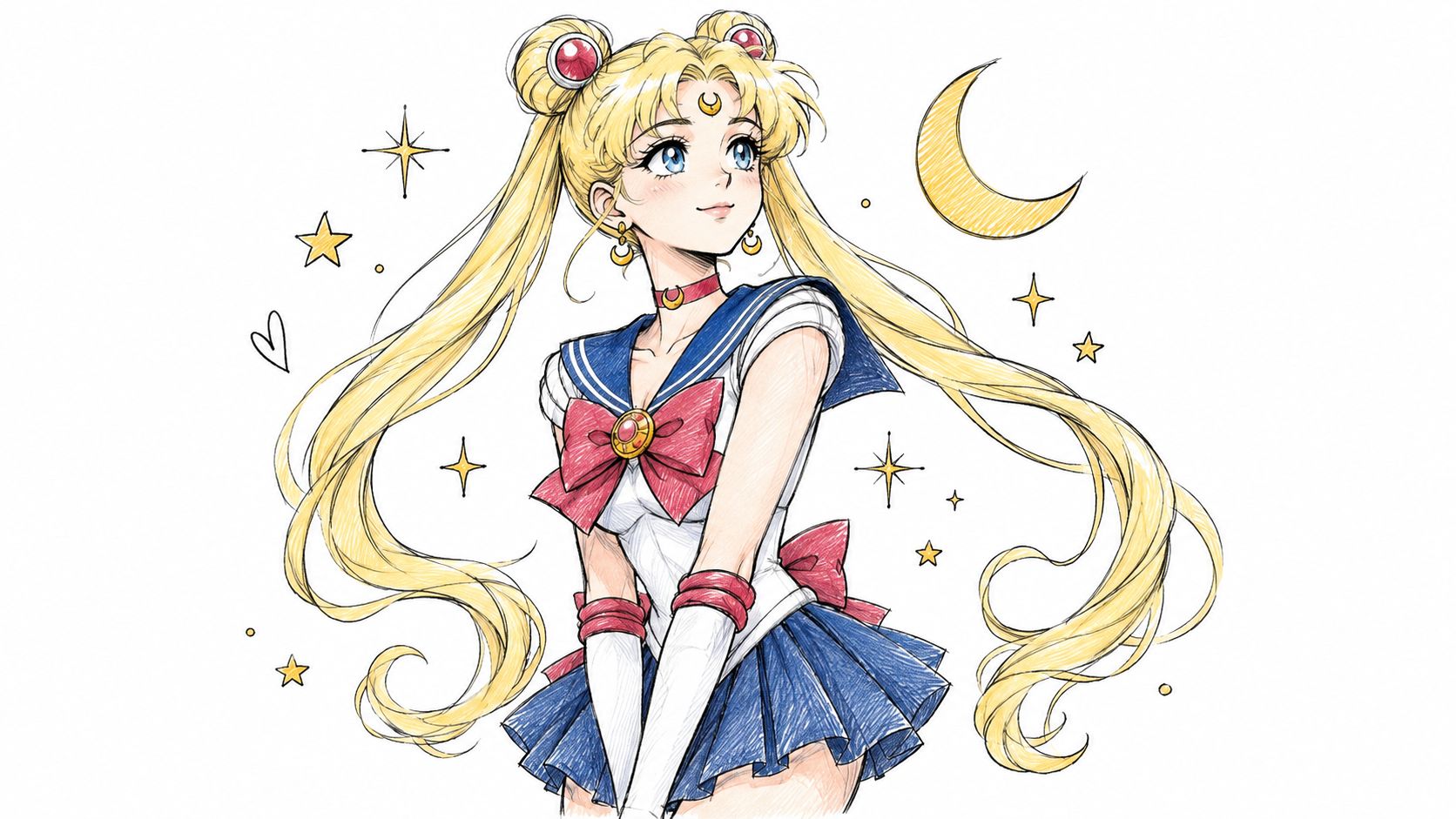
Ihre Formensprache ist weich und kreisförmig. Die Dutte, Rockbögen und das fließende Haar erzeugen selbst in einem Standbild Bewegung. Auch die Farbpalette hilft. Blondes Haar vor Marineblau, Rot und Weiß erzeugt einen klaren Kontrast, ohne hart zu wirken.
Verwenden Sie das, wenn Sie Folgendes wünschen:
Praktische Regel:Wenn ein Charakter für Verwandlungsszenen bekannt ist, sollte dein Prompt Bewegung, Licht oder Energie enthalten. Andernfalls kann das Ergebnis flach wirken.
Versuche bei starryai, den Prompt in Schichten aufzubauen:Magical-Girl-Heldin, blonde Zwillings-Dutt-Frisur mit sehr langen Zöpfen, matroseninspirierte Uniform, weicher Fokus, Cel-Shading-Anime, Magical-Girl-Leuchten, mondbeschienene, ätherische Beleuchtung, hoffnungsvoller Gesichtsausdruck, Y2K-inspirierter Glitzer-Hintergrund. Das gibt dir den nostalgischen Rahmen und lässt gleichzeitig Raum, Farben oder Accessoires neu zu kombinieren.
Ein TikTok-Creator könnte daraus ein Glow-up-Selfie-Konzept machen. Ein Indie-Game-Artist könnte dieselbe Prompt-Struktur verwenden, aber die Schuluniform gegen Rüstung oder ein futuristisches Idol-Outfit austauschen.
Wenn du die Verwandlungsstimmung vor dem Prompten studieren möchtest, hilft dieser Clip dabei, den Ton zu treffen:
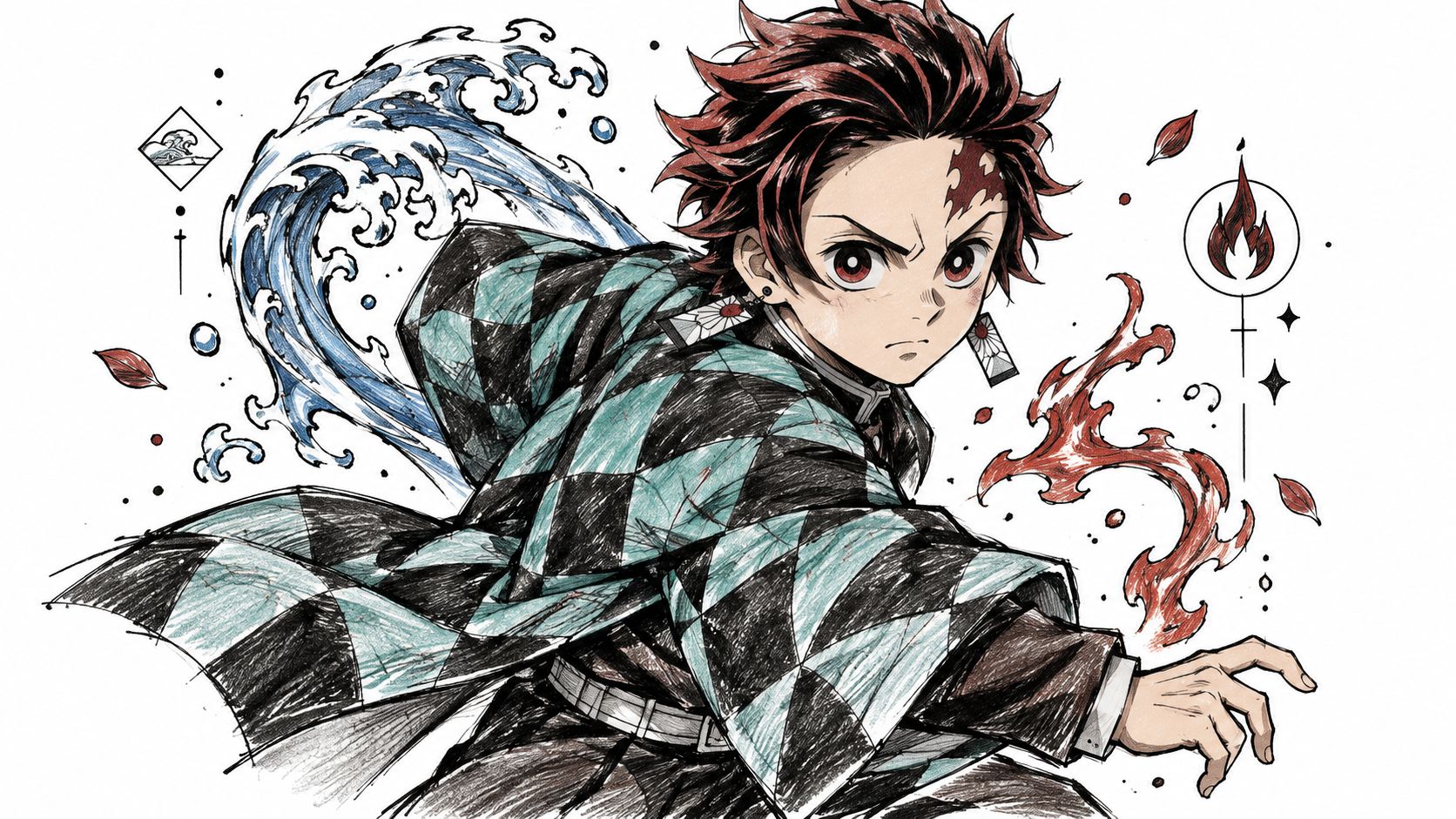
Ein Zuschauer, der schnell scrollt, wird Tanjiro trotzdem sofort erkennen. Er signalisiert zuerst Freundlichkeit, dann Entschlossenheit. Das ist nützlich, wenn du ein zufälliges Anime-Charakterkonzept möchtest, das dramatisch wirkt, ohne kalt oder übermäßig aggressiv zu werden.
Sein Design funktioniert, weil die Teile eine emotionale Richtung unterstützen. Dieweichere Gesichtsform, fokussierten Augen, dunkle Uniformund einemfließenden Elementareffektedeuten alle auf einen Helden hin, der beschützt, anstatt einschüchtert. Für das Prompten liefert dir das eine klare Lektion. Beginne mit dem Gefühl und wähle dann Merkmale aus, die es verstärken.
Ein guter Prompt im Tanjiro-Stil hat normalerweise fünf Teile, die zusammenarbeiten:
Diese Struktur ist wichtiger als das Kopieren jedes Kanondetails. Wenn Sie nurschwarze HaareundSchwerteingeben, kann das Ergebnis in generisches Shonen-Territorium abdriften. Wenn Siebeschützender Ausdruck, kontrollierte Schwert-Haltungund einemelementare Bewegung, die sich um den Körper wölbtangeben, hat das Bild eine stärkere Identität.
Praktische Regel:Von Tanjiro inspirierte Kunst braucht moralische Klarheit im Gesicht. Action allein reicht nicht aus. Der Ausdruck sollte gleichzeitig Empathie und Disziplin vermitteln.
Für starryai hilft es, dieses Bild von außen nach innen aufzubauen. Beginnen Sie mit dem Gesamteindruck aus der Ferne und gehen Sie dann näher heran:Anime-Schwertkämpfer-Held, grün-karierter Umhang, dunkle Dämonenjäger-Uniform, narbige Stirn, rotbraune Augen, gezogenes Katana, Wasseratem-Wirbeleffekte, cinematische Anime-Beleuchtung, entschlossener, mitfühlender Ausdruck, Wald-Kampfatmosphäre.
Hier ist der Grund, warum diese Reihenfolge funktioniert. DieSilhouetteverrät dem Modell, um welche Art von Charakter es sich handelt. DerFarbkontrastsorgt dafür, dass das Design im Gedächtnis bleibt. Dieemotionale Ausrichtungverhindert, dass das Gesicht leer oder feindselig wirkt. DieUmgebunggibt den Effekten einen stimmigen Platz, sodass Wasser oder Feuer nicht wie aufgesetzt wirken.
Sie können dieselbe Formel in verschiedene Richtungen anpassen. Ein Creator, der einen Avatar erstellt, könnte auf das Gesicht zuschneiden undStirnnarbe, warme Augenund einemkühle blaue Glanzlichterbeibehalten. Ein Merchandise-Designer könnte den Prompt aufkarierte Umhang-Silhouette, Katana-Linieund einemWellenmotivfür einen saubereren Druck vereinfachen. Ein Künstler, der einen Originalcharakter entwickelt, könnte das Katana gegen einen Speer austauschen, das Karomuster durch ein Familienwappen ersetzen und denselben emotionalen Kern beibehalten.
Das ist die wichtigste Erkenntnis. Tanjiro ist nicht nur eine Namensreferenz. Er ist eine Prompt-Strategie, die auf einer erkennbaren Silhouette, einem starken Farbkontrast und einem klaren emotionalen Zweck aufbaut.
Ein Creator braucht einen Anime-Charakter für ein düsteres Poster, einen dunklen Avatar oder ein spannungsgeladenes Story-Cover. Ein fröhlicher Charme würde hier das Ziel verfehlen. Eren funktioniert, weil sein Design schon aus der Entfernung Anspannung vermittelt.
Seine visuelle Logik ist leicht zu studieren. DieSilhouetteist schmal und angespannt, nicht massig. DieFarbpalettebleibt zurückhaltend mit dunklen Haaren, gedeckten Uniformtönen und verwitterten Hintergründen. Dieemotionale Ausrichtungtransportiert Druck, Wut, Trauer oder Trotz, was dem Gesicht einen Sinn verleiht, anstatt es leer wirken zu lassen.
Von Eren inspirierte Prompts sind dann erfolgreich, wenn der Charakter von der Welt um ihn herum belastet wirkt und nicht einfach nur wütend in die Kamera blickt.
Beginnen Sie bei starryai zunächst mit dem Gesamteindruck und schärfen Sie dann die spezifischen Details, die die Identität ausmachen:Anime-Militärkadett, schlanke, angespannte Silhouette, kurzes dunkelbraunes Haar, grüngraue Augen, taillierte braune Jacke, von den Aufklärungstruppen inspiriertes Uniform, vom Wind verwehte Pose, wilder, zerrissener Gesichtsausdruck, Sturmwolken, zerstörte Steinmauer, cinematische, schattenreiche Beleuchtung.
Diese Sequenz hilft aus gutem Grund. DasSilhouettezeigt dem Modell, welche Art von Figur es aufbauen soll. Derbegrenzte Farbkontrasthält die Stimmung ernst statt auffällig. Dasemotionale Ausrichtungverhindert, dass das Ergebnis zu einem generischen Soldaten wird. DasUmgebungvervollständigt die Geschichte, denn Erens Design macht in einer Welt, die instabil wirkt, am meisten Sinn.
Nutzen Sie diese Strategie auf unterschiedliche Weise. Für einen Avatar schneiden Sie nah zu und behaltenintensive Augen, dunkles Haarund einemverschattete Beleuchtung. Für Social-Media-Inhalte treiben SieWind, Sturmhimmelund einemzerstörte Mauervoran, damit das Bild auf einem kleinen Bildschirm schnell erfassbar ist. Für Merchandising vereinfachen Sie die Idee zuKadettenjacken-Silhouette, grüngrauer Blickund einemMauer-Motiv. Für einen Originalcharakter tauschen Sie die Uniform gegen einen Grenzpostenmantel oder ein Rebellenakademie-Outfit aus, während Sie dieselbe visuelle Engine beibehalten: Druck, Zurückhaltung und eine Kulisse unter Bedrohung.
Bei dieser Art von Charakter tritt schnell ein Konsistenzproblem auf. Wenn ein Bild ihn erschöpft zeigt, ein anderes ihn poliert und ein drittes die militärische Struktur entfernt, bricht das Konzept auseinander. Das hier verlinkte Papier untersucht eine rein textbasierte Methode, um einen Charakter über mehrere Ausgaben hinweg konsistent zu halten, was für Storyboards, Cover-Sets und wiederkehrende Cast-Art in Anime-Workflows wichtig ist, wie inThe Chosen One-Papier zur konsistenten Charaktergenerierung.
besprochen wird.Eren ist weit über eine Fandom-Referenz hinaus nützlich. Er liefert Ihnen ein wiederholbares Prompt-Muster für jeden Charakter, der aufgespannter Silhouette, gedämpftem Kontrast, widersprüchlicher Emotionund einemeiner Welt, die einen Schritt vor dem Zusammenbruch aussieht.
basiert. Sie generieren einen zufälligen Anime-Charakter für ein Profilbild, und das Ergebnis hat grüne Haare und einen Heldenanzug, wirkt aber immer noch nicht wie Deku. Das fehlende Puzzleteil ist meistens die emotionale Richtung. Dekus Design funktioniert, weil die visuellen Signale gleichzeitig auf dieselbe Idee verweisen:zugängliches Gesicht, jugendliche Silhouette, hoffnungsvolle Spannungund einemHeldenkontext.
Seine Silhouette dreht sich weniger um Masse als vielmehr um lesbare Bewegung. Das leicht unordentlichelockige grüne Haarweicht das Design auf, währendSommersprossenundgroße Augendas Gesicht offen und menschlich halten. Das ist wichtig, wenn Sie möchten, dass starryai einen Charakter hervorbringt, der sich inspirierend statt generisch actionbereit anfühlt.
Deku ist ein gutes Lehrmodell, weil kleine Gesichtszüge genauso viel Arbeit leisten wie das Kostüm.
Beginnen Sie mit dem Gesicht und bauen Sie sich dann nach außen vor. Wenn das Gesicht verliertFreundlichkeitoderaufrichtiger Fokus, driftet der Rest des Bildes in Richtung standardmäßiger Superhelden-Kunst ab. Wenn das Gesicht stimmt, kannst du das Outfit, den Bildausschnitt oder die Umgebung ändern und behältst trotzdem dieselbe Charakterlogik bei.
Ein praktischer Prompt-Stack sieht so aus:
Hier ist der Grund, warum diese Struktur hilft.Die Silhouettemacht den Charakter in kleiner Größe erkennbar.Der Farbkontrastsorgt dafür, dass das Bild in Feeds und Vorschaubildern gut lesbar bleibt.Die emotionale Ausrichtungverhindert einen ausdruckslosen Blick.Die Umgebungerklärt, warum Pose und Kostüm zusammengehören.Der Verwendungszweckteilt dem Generator mit, ob ein enger Ausschnitt, eine kräftige Umrandung oder eine komplettere Szene priorisiert werden soll.
Halte es bei einem Avatar nah am Motiv. VerwendeSommersprossen, weiche grüne Locken, helle, aufmerksame Augenund einemruhig-heldenhafte Beleuchtung. Verstärke für Social-Media-InhalteWind, Leuchteffekteund einemaufwärts gerichtete Bewegung, damit das Bild schnell erfasst wird. Vereinfache das Design für Merchandising zu einerHaarsilhouette, sommer- oder sommersprossiges Gesichtund einemHeldenmasken-Motivmit klareren Formen.
Du kannst diese Referenz auch in eine eigene Richtung weiterentwickeln. Tausche den Kanon-Anzug gegen eineRettungsschüler-Uniform, futuristische Schuljackeodereinen Indie-Superhelden-Hoodiejunge Silhouettegrün-LED-Palette, gleicher Motor, ernster Ausdruckund einemschützende Absicht.
Wenn du einen passenden Fandom-Bezugspunkt für das Profil-Styling suchst,ALL MIGHT Gaming-Profilzeigt, wie Anime-Identität in eine erkennbare Online-Persönlichkeit übergehen kann, selbst außerhalb einer vollständigen Illustration.
Ein Leser, der an Dutzenden von Anime-Avataren vorbeiscrollt, bleibt meistens an einer Sache zuerst hängen: der Form. Yuji funktioniert, weil sein Design sofort erfassbar ist: kurzes, fransiges rosa Haar, ein direkter Ausdruck und ein sauberes, modernes Outfit, das sich nah an echter Streetwear anfühlt. Diese Mischung macht ihn nützlich als Referenzpunkt, wenn man einen Charakter sucht, der zeitgemäß wirkt und sich innerhalb von starryai leicht anpassen lässt.
Seine visuelle Logik ist einfach. Ein helles Merkmal zieht die Aufmerksamkeit auf sich, während der Rest des Designs kontrolliert bleibt.
Ein guter, von Yuji inspirierter Prompt hängt nicht davon ab, den vollständigen Charakter zu kopieren. Er basiert darauf, einen starken Fokuspunkt beizubehalten und diesen dann mit Emotion, Kleidung und Kontext zu untermauern.
Beginne mitSilhouetteYuji ist nicht auf riesige Haarspitzen oder überdimensionierte Accessoires aufgebaut. Seine Silhouette ist kompakt und athletisch, was dem Gesicht hilft, mehr von der Identität zu transportieren. Für Prompts bedeutet das, dass Sie nachkurzem, verwuscheltem Anime-Haar, klarer Kieferpartieund einemFrontalporträtoderHalbseiten-Poseanstelle von unruhiger Action-Rahmung fragen sollten.
Setzen Sie dannFarbkontrast. Das pinke Haar funktioniert, weil es vor dunkler Kleidung und neutralen Hauttönen sitzt. Wenn jeder Teil des Bildes auffällig ist, verliert das Haar seine Wirkung. Verwenden Sierosafarbenes Haar, dunkelblaue oder schwarze Jackeund einemweiche Hautbeleuchtung, damit das Bild einen klaren visuellen Anker hat.
Die emotionale Ausrichtungist hier noch wichtiger. Yujis Design wirkt glaubwürdig, weil sein Gesicht oft Wärme, Entschlossenheit oder eine zurückgehaltene Intensität anstelle eines generischen Action-Blicks ausstrahlt. Ein Prompt wieselbstbewusstes Grinsen, fokussierten Augen, entschlossener, aber freundlicher Gesichtsausdruckoderangespannte Ruhe vor dem Kampfgibt dem Generator etwas Konkretes zum Aufbauen.
FürUmgebungpassen urbane Hintergründe ganz natürlich, da sein Design ohnehin nah an moderner Schulkleidung und Streetwear liegt. Probieren SieGasse in der Stadt bei Dämmerung, Schulflur mit dramatischen Schatten, Dach unter stürmischem Himmeloderneongetränkte Straße in Tokio. Jede davon verändert die Stimmung, ohne das Kernkonzept zu zerstören.
Wenn Sie ein Grundgerüst für den Prompt wünschen, verwenden Sie diese Reihenfolge in Ihren eigenen Worten:kompakte, athletische Silhouette, rosafarbene Kurzhaarfrisur, dunkle, von Uniformen inspirierte Streetwear, ruhiger, intensiver Gesichtsausdruck, urbanes, übernatürliches Setting, Avatar- oder Poster-Nutzung.
Dieser letzte Teil,verwendungszweck, ist der Punkt, an dem sich viele Prompts verbessern. Für einenAvatarsollten Sie den Bildausschnitt nah halten und nachklarem Gesichtsausdruckundstarkem Haarkontrast fragenSie müssenSocial-Media-InhaltemitBewegungsunschärfe, verfluchtem Energieleuchtenoderdramatischer Kantenbeleuchtungversehen, damit das Bild in einem Feed schnell erfassbar ist. FürMerchandisevereinfachen Sie die Idee zurosa Haarform, dunklem Hoodie oder Jackeund einemkleinen okkulten Symbolakzenten, die sauber auf Aufkleber oder T-Shirts gedruckt werden können.
Sie können dies auch in eine originelle Charakterrichtung umwandeln, ohne das Kanondesign zu kopieren. Behalten Sie dasselbe System bei:kompakte Silhouette, ein einzelnes helles Haarmerkmal, bodenständiger Street-Style, aufrichtige Intensität, und tauschen Sie dann eigene Details ein wiekarmesinrotes Haar, okkultes Schulabzeichen, bandagierte Knöcheloderunterirdische Exorzisten-Uniform.
Die praktische Lektion ist klar: Yuji-inspirierte Prompts funktionieren am besten, wenn ein Merkmal zuerst spricht und der Rest des Bildes es unterstützt. Das gibt Ihnen eine erkennbare Anime-Referenz für Profilkunst, Poster und OCs, ohne dass sich der Prompt überladen anfühlt.
Aktuelle Tools für zufällige Anime-Charaktere übersehen oft diese Art von praktischer Filterung. Eine Lücke bei bestehenden Tools besteht darin, dass sich viele auf Unterhaltung statt auf nützliche Entdeckungen für Prompts, Cosplay, Trivia oder Schreiben konzentrieren. Einträge zeigen oft einfache Optionen wie Serienfilter, Wiederholungsmodus-Aus- oder In-die-Liste-kopieren-Ausgaben, während breitere Datenbanken Merkmale wie Haarfarbe, Augenfarbe, Frisur, Alter, Geschlecht und Accessoires unterstützen. Dieser Unterschied ist wichtig, wenn Sie Zufallsergebnisse mit sinnvollen Einschränkungen statt eines reinen Würfelwurfs wünschen, wie indieser Übersicht über Lücken bei Zufallsgeneratoren für Anime-Charaktere.
beschrieben. Ein winziges Profilbild hat eine Aufgabe. Es muss in einer Sekunde lesbar bleiben. Naruto ist ein starkes Fallbeispiel, da fast jede Designentscheidung diesem Ziel dient:stacheliges blondes Haar, drei Wangenmarkierungen, orangefarbene Kleidung, großer offener Ausdruck.
Diese Merkmale funktionieren wie Straßenschilder. Sie können sie von Weitem erkennen, weil die Formen einfach und der Kontrast hoch ist.
Wenn Sie eine Referenz für einen zufälligen Anime-Charakter wünschen, die Prompt-Kontrolle lehrt, fangen Sie hier an. Bei Naruto geht es weniger um Details als vielmehr um visuelle Hierarchie. Das Auge erfasstdie Haarformzuerst, danndie Gesichtsmarkierungen, dannden Farbblock, dannBewegung.
Ein einprägsamer Anime-Prompt hat normalerweise ein Merkmal, das in Thumbnail-Größe lesbar ist, und zwei unterstützende Hinweise, die die Identität bestätigen.
Anstatt also jeden Ninja-Begriff zu stapeln, der Ihnen einfällt, bauen Sie von außen nach innen auf.
Beginne mitSilhouette. Verwenden Siescharfes, stacheliges Haarund einenach vorne geneigte Action-Pose. Fügen Sie dannFarbkontrastmithellorangefarbene Kleidungvor einemblauen Himmel hinzu, grünes Trainingsfeldoderwarmer Sonnenuntergang. Danach setzen Sie dasemotionale Ausrichtung. Naruto-inspirierte Kunst funktioniert am besten mitoptimistischer Entschlossenheit, schleimigem Selbstvertrauenoderlauten Kampf-Energien. Diese emotionale Nuance ist wichtig, da dasselbe Outfit fade wirken kann, wenn Gesicht und Haltung nicht dieselbe Dynamik vermitteln.
Für das Schreiben von Prompts ist eine nützliche Formel:Silhouette + charakteristisches Gesichtsmerkmal + Farbfleck + aktive Umgebung + Verwendungszweck.
Probieren Sie Kombinationen wieextrem stacheliges blondes Haar, schnurrbartähnliche Wangenmarkierungen, orangefarbene Ninja-Jacke, breites Grinsen, Sprungpose, Staub des Trainingsgeländes, fettem Cel-Shading, avatarfreundlicher Einrahmung. Wenn Sie eine breitere Komposition mit gut lesbarer Pose und Kleidung wünschen, bietet derstarryai-Leitfaden für Ganzkörper-Anime-Charaktererstellereine hilfreiche Referenz für die Ganzkörper-Balance.
Hier wird die Strategie wiederverwendbar. Für einenAvatar, schneiden Sie eng zu umHaare, Augenund einemWangenmarkierungenSie müssenSocial-Media-InhaltemitBewegung, Windlinienoder einensonnendurchschienenen Action-Hintergrund, damit das Bild im Feed energiegeladen wirkt. FürMerchandisevereinfachen Sie die Idee zuHaarspitzen, orange-schwarze Paletteund einemFuchs- oder Blattsymbole, die sauber gedruckt werden. Für eineRichtung für Originalcharaktere, behalten Sie dieselbe Logik bei, tauschen Sie aber die kanonischen Hinweise aus:goldenes stacheliges Haarwird zuweißem flammenförmigem Haar, orangefarbener Ninja-Kleidungwird zubernsteinfarbener Straßenkampfausrüstungund einemSchnurrhaar-Markierungenwerden zu Ihrem eigenen Gesichts-Motiv.
Das ist die breitere Lektion. Ein Naruto-inspirierter Prompt ist erfolgreich, weil das Design auf schneller Lesbarkeit, emotionaler Klarheit und Farbgedächtnis basiert, nicht auf überladenen Details.
Ein Creator möchte einen zufälligen Anime-Charakter-Prompt für ein Profilbild, aber helles Haar, Waffen und leuchtende Effekte ziehen das Ergebnis immer wieder zu generischer Action-Kunst. Light Yagami zeigt in die entgegengesetzte Richtung. Sein Design zieht die Aufmerksamkeit durch Kontrolle auf sich. Saubere Haarform, schmale Augen, formelle Kleidung und eine starre Haltung erzeugen einen Charakter, der gefährlich wirkt, weil er ruhig aussieht.
Diese visuelle Logik ist über die Referenz hinaus nützlich. Sie lehrt eine wiederholbare Strategie für jedes intelligente, moralisch kalte, auf Thriller ausgerichtete Charakterkonzept.
Beginnen Sie mit der Silhouette. Light ist gut lesbar, weil die Kontur einfach bleibt. Keine riesigen Accessoires. Keine übergroße Waffe. Meistens nur eine ordentliche Kopfform, ein gekragtes Outfit und ein ruhiger Oberkörper. Diese Einfachheit funktioniert gut fürAvatareundRedaktions-Thumbnails, wo Unruhe bei kleinen Formaten verschwindet.
Dann betrachten Sie Farbe und Licht. Seine Palette bleibt meist zurückhaltend, wodurch die Last des Dramas aufSchattenplatzierung, Blickfokusund einemSzenenkontrastverlagert wird. Mit anderen Worten, das Bild funktioniert wie ein Thriller-Plakat. Der Betrachter liest die Absicht aus der Beleuchtung, bevor er Details wahrnimmt.
Ruhige Charaktere brauchen visuellen Druck. Schatten, Bildausschnitt und Blick erzeugen diesen Druck schneller als zusätzliche Requisiten.
Ein praktischer, von Light inspirierter Prompt funktioniert meist besser, wenn man ihn in Ebenen aufbaut, anstatt einfach einen Charakternamen einzugeben und darauf zu hoffen, dass das Modell die Lücken füllt:
Kernlesart: brillanter junger Mann, kalter Ausdruck, direkter Blick
Silhouette: gepflegtes dunkles Haar, aufrechte Haltung, schmale, formelle Statur
Farbrichtung: schwarz, tiefbraun, gedeckter roter Akzent, blasse Hauttöne
Umgebung: Schreibtischlampen-Schein, regenverschmiertes Fenster, schwach beleuchtetes Arbeitszimmer, Notizbuch auf dem Schreibtisch
Beabsichtigte Verwendung: Thriller-Cover-Konzept, stimmungsvolles Profilbild, monochromes Plakatkunstwerk
Diese Struktur gibt Ihnen die Kontrolle über die Stimmung. Wenn sich das Ergebnis zu generisch anfühlt, liegt das meist an der emotionalen Ausrichtung. „Ernst“ ist zu vage.Berechnend, verurteilend, emotional losgelöstodertriumphierendsteuern das Gesicht und die Pose deutlicher.
Bei einer Adaption bleibt die Strategie gleich, während sich die Oberflächendetails ändern. Für einSocial-Media-Bannererweitern Sie den Bildausschnitt und fügenFensterlicht, nächtliche Stadt-UnschärfeoderPapiere auf einem SchreibtischSie müssenMerchandisehinzu, reduzieren das Konzept aufscharfe Augen, formellen Kragen, dunkles Notizbuch-Motivund einekontrastreiche Schwarz-Rot-Weiß-Palette, die sauber gedruckt wird. Tauschen Sie für einenOriginalcharakterdie Hinweise auf das Schulgenie gegen Ihre eigene Version aus, wie etwasilber-schwarzes Haar, moderne Hofkleidung, Archivraum-Einstellungund einemobsessiver, richterartiger Ausdruck.
Lichtinspirierte Prompts funktionieren, weil das Design zuerst Intelligenz und erst an zweiter Stelle Bedrohung vermittelt. Diese Reihenfolge ist wichtig. Wenn Sie verstehen, warum die visuelle Zurückhaltung funktioniert, können Sie dieselbe Methode in starryai nutzen, um dunklere Avatar-Konzepte, dramatische Social-Media-Art oder einen völlig originellen psychologischen Anime-Charakter zu erstellen.
Ein Betrachter, der durch zehn Charakterbilder scrollt, wird aus einem einfachen Grund bei Anya stehen bleiben. Ihr Design ist in einer Sekunde erfassbar. Die kleinen Hörner in der Haarsilhouette, das runde Gesicht, die großen Augen und die rosa-schwarze Farbpalette vermitteln alle eine emotionale Botschaft: spielerischer Schalk ohne jegliche Bedrohung.
Diese Klarheit macht sie so nützlich als Prompt-Referenz. Anya ist keine Lektion in Detaildichte. Sie ist eine Lektion insofortiger Lesbarkeit.
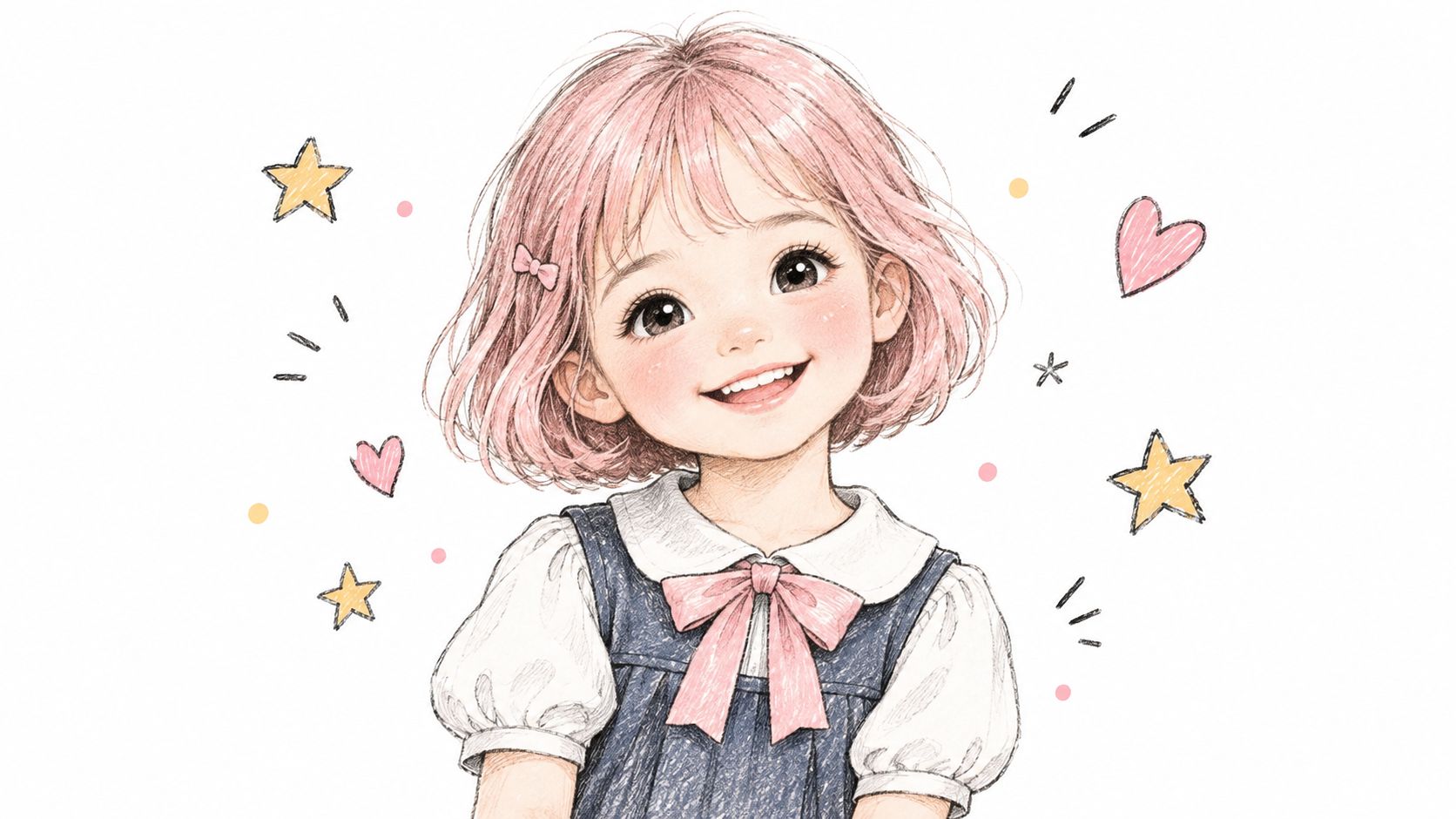
Beginnen Sie mit der Silhouette, bevor Sie das Gesicht beschreiben. Wenn sich die Umrisse bereits kindlich, abgerundet und ein wenig federnd anfühlen, lässt sich der Rest des Bildes leichter kontrollieren.
Niedliche Anime-Konzepte funktionieren am besten, wenn die Formensprache von Kopf bis Fuß weich bleibt. Hartes Licht, realistische Texturen oder aggressive Posen zerstören normalerweise den Ton.
Hier ist die wiederholbare Strategie hinter einem von Anya inspirierten Konzept:
Jeder Teil hat eine Aufgabe.Die Silhouettemacht den Charakter in der Miniaturansicht erkennbar.Der Farbkontrastverhindert, dass sich das rosa Haar mit einem blassen Hintergrund vermischt.Die emotionale Ausrichtungist wichtig, weil „glücklich“ oft zu vage ist.Frechoderneugieriggibt den Augen und dem Mund eine spezifische Aufgabe.
Dies ist auch ein guter Abschnitt zum Anpassen, nicht zum Kopieren. Vereinfachen Sie den Rahmen für einen Avatar aufKopf-Schulter-Bereich, behalten Siegroße, leuchtende Augenbei und verwenden Sie einen sauberen Hintergrund. Wenn Sie Hilfe dabei wünschen, dies in ein persönliches Design umzusetzen, zeigt derstarryai-Leitfaden zum Erstellen eines Anime-Avatars, wie man vertraute Anime-Hinweise in etwas Individuelleres übersetzt.
Tauschen Sie für originelle Charakterarbeiten die offensichtlichen Referenzen aus und behalten Sie gleichzeitig die visuelle Logik bei. Probieren SiePfirsichfarbene Haare statt Rosa, Stern-Clips statt Horn-Accessoires, eine Schuljacke oder eine Fantasietunikaund einespielerischer Seitenblick. Das Ergebnis trägt immer noch denselben Charme, wird aber zu Ihrer eigenen Richtung für Social-Media-Inhalte, druckbares Merchandise oder ein familienfreundliches Maskottchen.
Ein von Spike inspirierter Charakter funktioniert, wenn das Bild auf den ersten Blick mühelos wirkt. Der Reiz kommt von der Kontrolle. Eine lange, schmale Silhouette, leicht zerzauste Haare, eine entspannte Haltung und figurbetonte Kleidung erzeugen eine Figur, die ruhig, scharf und ein wenig distanziert wirkt, bevor man ein kleines Detail bemerkt.
Diese visuelle Logik ist wichtig, wenn Sie mehr als nur eine direkte Referenz wünschen. Spike ist ein starkes Lehrbeispiel, da sein Design zeigt, wie Zurückhaltung Stil vermitteln kann. Sie benötigen kein zusätzliches Zubehör, wenn dieForm, Haltungund einemBeleuchtungerledigen bereits die Arbeit.
Bei diesem Charaktertyp ist die Körperhaltung Teil des Kostüms. Wenn sich die Körpersprache steif anfühlt, verliert das gesamte Konzept seine Noir-Coolness.
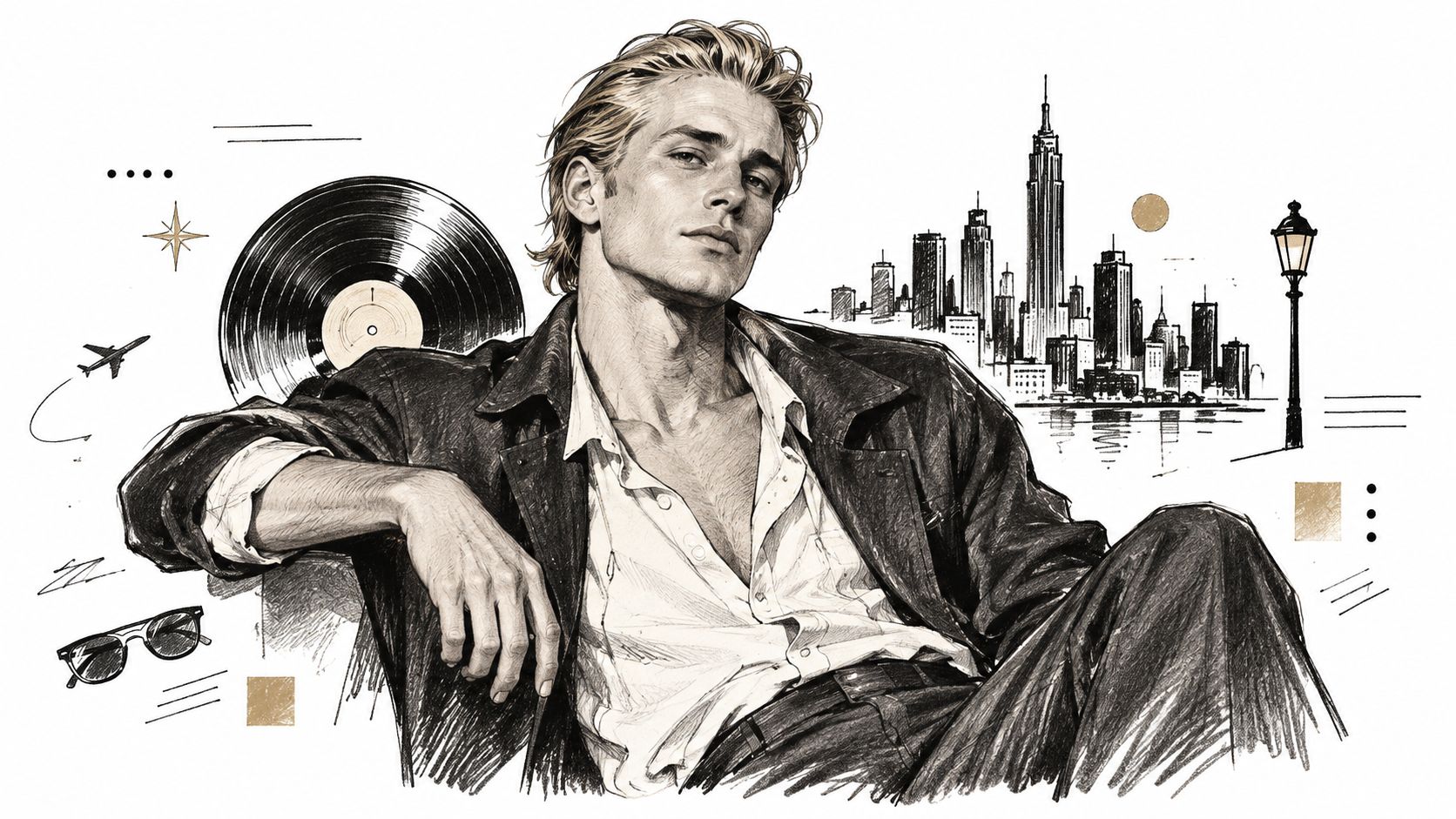
Beginnen Sie mit dem Rahmen, nicht mit der Frisur. Ein nützlicher Aufbau für starryai sieht so aus:
Jeder Teil löst ein anderes Problem.Die Silhouettesorgt dafür, dass der Charakter in einem kleinen Vorschaubild erkennbar bleibt.Der Farbkontrastverhindert, dass der dunkle Anzug im Hintergrund verschwindet.Die emotionale Ausrichtunggibt dem Gesicht eine bestimmte Aufgabe. „Cool“ ist für sich genommen zu vage, aberdistanziertodermüde, aber selbstbewusstverändert die Augen-, Mund- und Nackenpartie auf sichtbare Weise.
Diese Prompt-Strategie lässt sich gut anpassen. Für einen Avatar beschneiden Sie aufKopf-Schulter-Bereich, behalten daszusammengeknotete Haarbei und verwenden eineneinfachen blau-schwarzen Hintergrundmit einer Lichtquelle. Für Grafiken in sozialen Medien oder Poster erweitern Sie die Komposition, damit der leere Raum um den Charakter herum für Stimmung sorgt. Dieser negative Raum wirkt wie eine Pause im Jazz. Er lässt die Figur in sich ruhender wirken.
Behalten Sie bei Richtungen für Originalcharaktere dieselbe visuelle Engine bei und tauschen Sie die offensichtlichen Referenzen aus. Versuchen Sieolivgrüne oder anthrazitfarbene Schneiderei anstelle von Blau, eine moderne Bomberjacke anstelle eines Anzugs, kastanienbraunes oder dunkelgrünes Haarund einenächtliche UmsteigestationoderPlattenladen-Kulisse. Sie erhalten immer noch dasselbe elegante, energiedefizitäre Selbstbewusstsein, aber das Ergebnis wird nützlich für Modekonzepte, Cover-Art oder einen von Anime inspirierten OC mit Noir-Gewicht.
Ein von Nezuko inspiriertes Bild muss oft zwei Aufgaben gleichzeitig erfüllen. Es muss auf den ersten Blick sanft wirken und auf den zweiten Blick Gefahr offenbaren. Diese vielschichtige Reaktion ist der Grund, warum das Design in Thumbnails, Postern und Charakterblättern unvergesslich bleibt.
Die visuelle Engine beginnt mit Kontrasten, die sofort ins Auge fallen.Langes, fließendes Haarerzeugt eine weiche äußere Form.Ein pinker Kimonosignalisiert Wärme und Unschuld. Dann entsteht die Spannung durchDämonenaugen, Reißzähneund einezurückhaltenden, schützenden Blick. Der Charakter wirkt auf nützliche Weise emotional gespalten, was dem Prompt mehr Richtung gibt, als „süßes Anime-Mädchen“ oder „Monster-Mädchen“ es jemals könnten.
Ein starker Prompt im Nezuko-Stil funktioniert, weil die Silhouette „Ruhe“ ausstrahlt, während das Gesicht „Gefahr“ signalisiert.
Nutzen Sie diese Logik als Bauanleitung:
Jedes Element löst ein anderes visuelles Problem.Die Silhouettesorgt dafür, dass der Charakter selbst in kleiner Größe erkennbar bleibt.Der Farbkontrastverhindert, dass die pinke Kleidung zuckrig oder flach wirkt.Die emotionale Ausrichtungist hier am wichtigsten, da der Ausdruck entscheidet, ob das Ergebnis tragisch, schützend, unheimlich oder einfach nur generisch wirkt.
Ein praktischer Prompt kann sich von Nezuko inspirieren lassen, ohne sie exakt zu kopieren. Behalten Sie dieweiche HaarformundPink-gegen-Schwarz-Farbpalettebei und tauschen Sie die offensichtlichen Erkennungsmerkmale aus. Verwenden Sie einemoderne Jacke im Haori-Stil, beerenrote Augen anstelle von leuchtendem Pinkoder einenverschneiten Schreinpfadanstelle eines Waldes. Das liefert eine originelle Charakterrichtung mit derselben emotionalen Anziehungskraft.
Bei Anwendungen verändert die Einrahmung das Ergebnis. EinAvatarprofitiert von einem engen Ausschnitt auf Augen und Haare mit einer starken Lichtquelle. EinMerch-Designfunktioniert besser mit einer klareren Silhouette und weniger Hintergrunddetails, damit der Kontrast beim Drucken deutlich zur Geltung kommt. EinSocial-Media-Beitrag oder Reel-Coverkann die Stimmung durch Nebel, Bewegung im Haar und eine vertikale Komposition noch weiter verstärken.
Wenn Sie Ihr eigenes Gesicht in diesen Stil anpassen möchten, hilft Ihnen derStarryai-Leitfaden zum Umwandeln von Fotos in Animedabei, eine erkennbare Gesichtsstruktur mit stärkeren Fantasy-Hinweisen zu verbinden.
| Charakter | 🔄 Umsetzungskomplexität | ⚡ Ressourcen & Geschwindigkeit | ⭐ Erwartetes Ergebnis | 📊 Hauptvorteile | 💡 Ideale Anwendungsfälle & Tipp |
|---|---|---|---|---|---|
| Sailor Moon (Usagi Tsukino) | Hohe, komplizierte Odango-Frisur und Leuchteffekte | Moderate Prompts; mittlere Renderzeit | ⭐⭐⭐⭐, lebendige, nostalgische Ergebnisse | Hoher Viralitäts-/Nostalgiefaktor über Altersgruppen hinweg | TikTok-Transformationen, Retro-Edits, verwende „soft focus“, „magical girl glow“ |
| Demon Slayer Tanjiro Kamado | Mittel, Haar-Tönung und Details bei dynamischer Pose | Moderat; Action-Beleuchtung erhöht den Detailgrad | ⭐⭐⭐⭐, auffällige, actionbereite Visuals | Hoher Kontrast; Gamer- und RPG-Appeal | Avatare und RPG-Konzepte, verwende „anime shonen protagonist“, „dramatic combat lighting“ |
| Attack on Titan Eren Yeager | Hoch, nuancierte emotionale Ausdrücke und stimmungsvolle Palette | Hohes Prompt-Detail; Kontrastabstimmung erforderlich | ⭐⭐⭐⭐, dramatische, atmosphärische Bilder | Hervorragend für emotionsgelueadene Narrative Kunst | Buchcover und Charakterkonzepte, verwende „dramatic lighting“, „greenish-gray eyes“ |
| My Hero Academia Deku (Izuku Midoriya) | Mittel, lockiges grünes Haar und Sommersprossen erfordern Sorgfalt | Moderat; Fokus auf Gesichtsdetails verlangsamt Iterationen | ⭐⭐⭐⭐, nahbare, selfie-freundliche Ergebnisse | Breiter Jugend-Appeal; sehr nahbare Designs | Selfie-Transformationen und Cosplay-Referenzen, spezifiziere „detailed facial freckles“, „hopeful expression“ |
| Jujutsu Kaisen Yuji Itadori | Niedrig–Mittel, Farb- und Charm-Marken-Platzierung | Schnelle Generierung; Sättigung für rosa Haar überwachen | ⭐⭐⭐, trendige, zeitgemäße Ergebnisse | Lebendiger, anpassungsfähiger moderner Stil | Gaming-Avatare und OCs, verwende „rose-pink hair“, präzise Charm-Marken |
| Naruto Uzumaki | Mittel, extreme Stacheligkeit und Schnurrhaarmarken | Moderat; Haare können in einigen Renders vereinfachen | ⭐⭐⭐⭐, hoher nostalgischer/viraler Effekt | Universell erkennbare Shonen-Ikone | Virale Transformationen und nostalgisches Merchandise, verwende „extreme spiky hair“, „whisker marks“ |
| Death Note Light Yagami | Mittel, subtiler intensiver Ausdruck und formelle Kleidung | Moderat; Beleuchtung/Kontrast kritisch für Stimmung | ⭐⭐⭐⭐, anspruchsvolle, narrativ getriebene Kunst | Funktioniert gut für literarische und psychologische Themen | Dark-Academia-Cover und Thriller-Konzepte, verwende „dramatic shadowing“, „calculating gaze“ |
| Spy x Family Anya Forger | Niedrig, einfache kindliche Merkmale, aber kontextabhängig | Schnell; weiche Pastellpalette rendert schnell | ⭐⭐⭐, hoher Niedlichkeitsfaktor und breite Familienattraktivität | Universell ansprechende, gesunde Ästhetik | Niedliches Merchandise und familienfreundlicher Inhalt, verwende „sanftes Pastellrosa“, „warmes Licht“ |
| Cowboy Bebop Spike Spiegel | Mittleres, nach hinten gekämmtes Haar und Neo-Noir-Ausdruck | Mäßig; stilisierte Beleuchtung und Farbpaletten-Auswahl | ⭐⭐⭐⭐, Premium-Retro-/Neo‑Noir-Qualität | Sophisticated, retro-futuristische Ausstrahlung | Neo-Noir-Charaktergrafik und Premium-Merchandise, verwende „Neo-Noir-Beleuchtung“, „nach hinten gekämmtes blondes Haar“ |
| Demon Slayer Nezuko Kamado | Hohe, duale Niedlichkeits-/Dämonen-Balance und Augen-/Zahndetails | Hoch; präzise dämonische Merkmale erhöhen die Iterationen | ⭐⭐⭐⭐, starke Dark-Fantasy-Wirkung | Einprägsames Hybrid-Design; markanter Kontrast | Dark-Fantasy-Charaktergrafik und Gothic-Merchandise, verwende „Dämonenaugen“, „scharfe Zähne“, „ätherisches Leuchten“ |
Die nützlichste Lektion aus jeder beliebigen Anime-Charakterübung ist, dass Namen nur der Ausgangspunkt sind. Was Wiedererkennung schafft, ist eine wiederholbare Designstruktur. Sailor Moon zeigt, wieSilhouetteein ganzes Konzept tragen kann. Naruto beweist den Wert vonmarkanten Gesichtsmerkmalenund übertriebener Form. Tanjiro und Eren zeigen, wieEmotionen plus UmgebungTiefe erzeugen. Anya demonstriert, dasssanfte Farbe und Ausdruckeinen Charakter sofort nahbar machen können, während Light und Spike sich mehr aufHaltung, Stimmung und kontrollierte Beleuchtung.
verlassen. Das ist der entscheidende Wandel. Anstatt zu sagen: „Ich möchte einen Charakter wie diesen“, frage: „Welche visuellen Teile machen dieses Konzept lesbar?“ Sobald du die Antwort kennst, kannst du das Ergebnis in etwas Persönlicheres remixen. Aus blonden Zöpfen im Partnerlook können silberne, geflochtene Spiralen werden. Eine Dämonenjäger-Uniform kann zu einer Streetwear-Jacke werden. Ein magisches Leuchten kann sich in Neon-Stadtlicht verwandeln. Wiedererkennung wird zu Inspiration statt zu Imitation.
Teste jeweils eine Variable. Behalte dieselbe Charakteridee bei, ändere aber nur denAusdruck. Probiere dann dieselbe Idee mit einem anderenHintergrundaus. Ändere dann nur denBeleuchtung. So verhinderst du, dass der stärkste Teil des Konzepts beim Experimentieren verloren geht. Es ist zudem der einfachste Weg herauszufinden, ob dein Bild besser als Profil-Icon, Ganzkörperposter, Merchandise-Design oder stilisierte Selfie-Transformation funktioniert.
Wenn du mehrere Varianten generierst, ist Konsistenz wichtiger, als die Leute denken. Ein wunderschönes einzelnes Bild kann als nutzbarer Charakter immer noch scheitern, wenn die Haarform, der Augenabstand, die Outfit-Details oder die Stimmung bei jeder neuen Ausführung des Prompts abweichen. Für praktische Arbeitsabläufe bedeutet das, deine stärkste Prompt-Struktur zu speichern und jeweils nur ein Detail zu bearbeiten.
Verwende diese Checkliste vor dem Generieren:
Wenn du möchtest, kannst du diesen Prozess in starryai übernehmen und Text-Prompts, Selfies oder stilisierte Konzepte im selben kreativen Fluss testen. Je besser deine Prompt-Logik wird, desto weniger musst du dich allein auf den Namen eines zufälligen Anime-Charakters verlassen. Das ist der Moment, in dem vertraute Referenzen aufhören, Kopien zu sein, und anfangen, zu originalen, von Anime inspirierten Charakteren zu werden, die du verwenden kannst.
Mit starryai kannst du Text-Prompts, Selfies und Emojis in Visuals im Anime-Stil verwandeln, was es zu einer praktischen Wahl zum Testen der Charakterideen in diesem Leitfaden macht. Wenn du von einer zufälligen Anime-Charakterreferenz zu einem persönlicheren Avatar, Merchandise-Konzept oder Social-Media-Beitrag übergehen möchtest, besuchestarryaiund beginne, mit deinen eigenen Prompt-Variationen zu experimentieren.


.svg)