

Scritto daMo Kahnil


Una verità sorprendente riguardo alle ragazze nei libri per bambini è che la visibilità è migliorata senza sostituire del tutto il vecchio schema incentrato sui maschi. Uno studio longitudinale di3.280 libri per bambini pubblicati dal 1960 al 2020ha rilevato che le protagoniste femminili sono diventate più comuni nel tempo, mentre i protagonisti maschili sono ancora rimasti sovrarappresentati negli ultimi anni (Studio PLOS ONE). Questa storia rende le originaliidee di personaggi di libri per ragazzequalcosa di più di una ricerca di volti attraenti o costumi familiari. Un personaggio memorabile ha bisogno di un desiderio specifico, di una contraddizione, di una storia emotiva e di un cambiamento che i lettori possano seguire.
Le dieci idee seguenti funzionano come sistemi di progettazione di personaggi utilizzabili. Ognuna offre una direzione per età e personalità, un background compatto, un arco narrativo, dettagli visivi e varianti di prompt starryai pronte da adattare. Usale per un romanzo, un concept per la copertina, una mood board, il sito web di un autore o l'avatar di un personaggio. starryai può aiutare a trasformare i prompt di testo in riferimenti visivi, ma la scelta della storia viene prima. Per ulteriore ispirazione di lettura correlata, puoi anchesfogliare libri di romantasy per tropoe notare come diverse eroine combinino segnali di genere riconoscibili con contraddizioni personali.
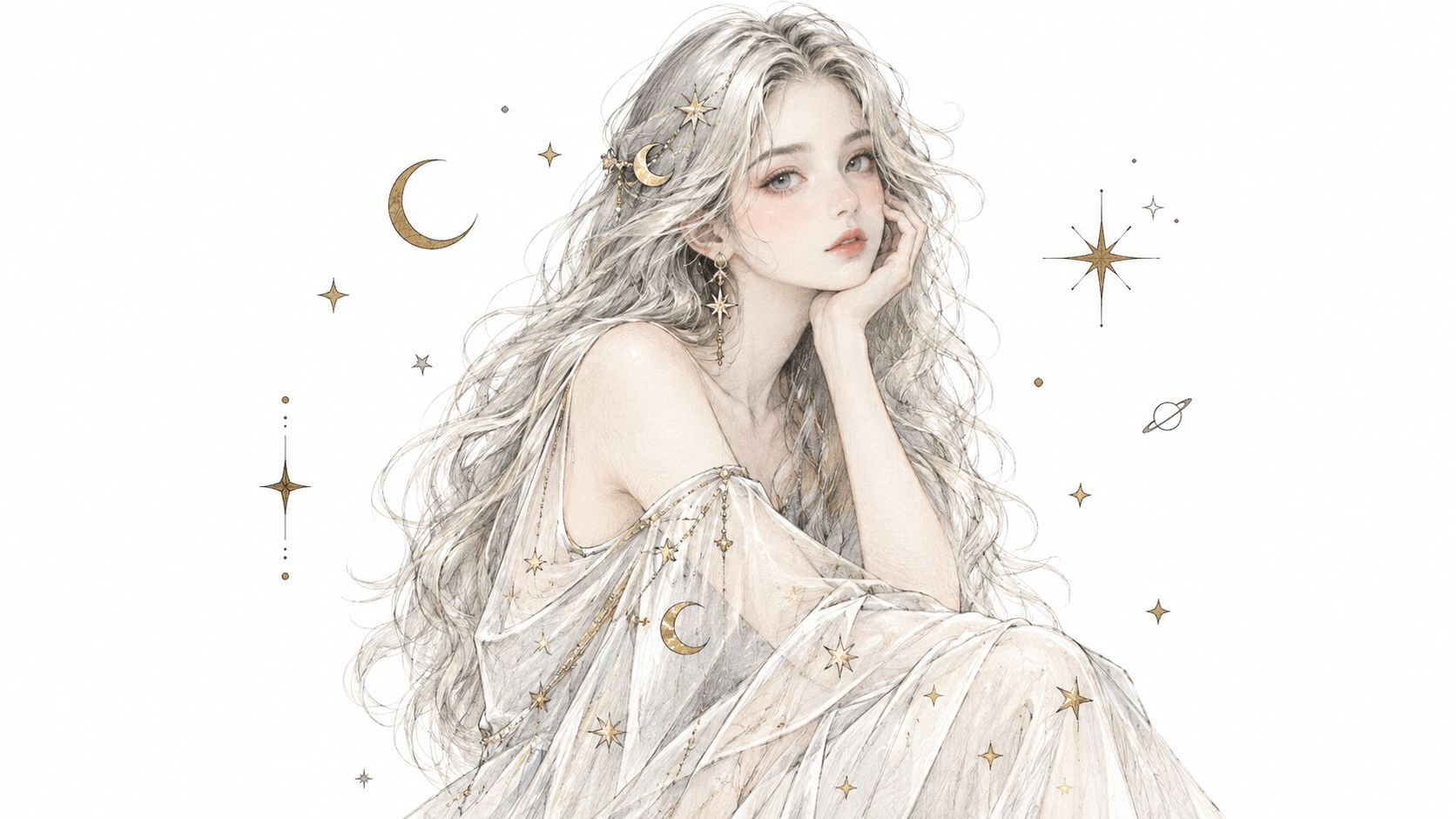
La Sognatrice Eterea funziona perché la sua dolcezza nasconde una curiosità attiva. Non è memorabile perché ha una pelle luminosa, capelli argentati o una connessione con la luna. I lettori la ricordano quando la sua natura sognante diventa un modo per notare ciò che i personaggi pratici perdono di vista.
Rendila un'eroina fantasy o di romance paranormale nella tarda adolescenzache appare distratta ma studia attentamente schemi, promesse e cambiamenti nel mondo naturale. La sua contraddizione è utile: vuole sfuggire alla vita ordinaria, eppure è spaventata da ciò che accadrà quando il mondo magico alla fine le risponderà.
Dalle un background conciso. È cresciuta in una famiglia che ha liquidato le sue visioni come sogni a occhi aperti, quindi ha imparato a registrarle nei disegni invece di parlarne. Un disegno alla fine rivela un pericolo che nessun altro può vedere.
Il suo arco esterno la invia in un'indagine magica. Il suo arco interno passa dall'osservazione passiva all'azione responsabile. Deve imparare che vedere il futuro, un regno nascosto o il dolore di un'altra persona non la rende responsabile del controllo di ogni risultato.
Regola pratica:Fà sì che la sensibilità della sognatrice generi decisioni, non solo decorazioni.
Per coerenza visiva, scegli un piccolo gruppo di elementi ricorrenti, come tessuti traslucidi, gioielli celesti, luce fredda e un colore insolito che appare ogni volta che la sua abilità è attiva. Evita di copiare l'aspetto di una nota eroina da romance fantasy. Il personaggio può avere uno stile fantasy luminoso pur mantenendo un background culturale specifico, scarpe pratiche o un oggetto comune proveniente da casa.
Prova queste varianti di prompt per starryai:
Per un'ulteriore pianificazione visiva, questa guida allaconcept art per personaggi fantasypuò aiutarti a pensare insieme a silhouette, costume e ambientazione.
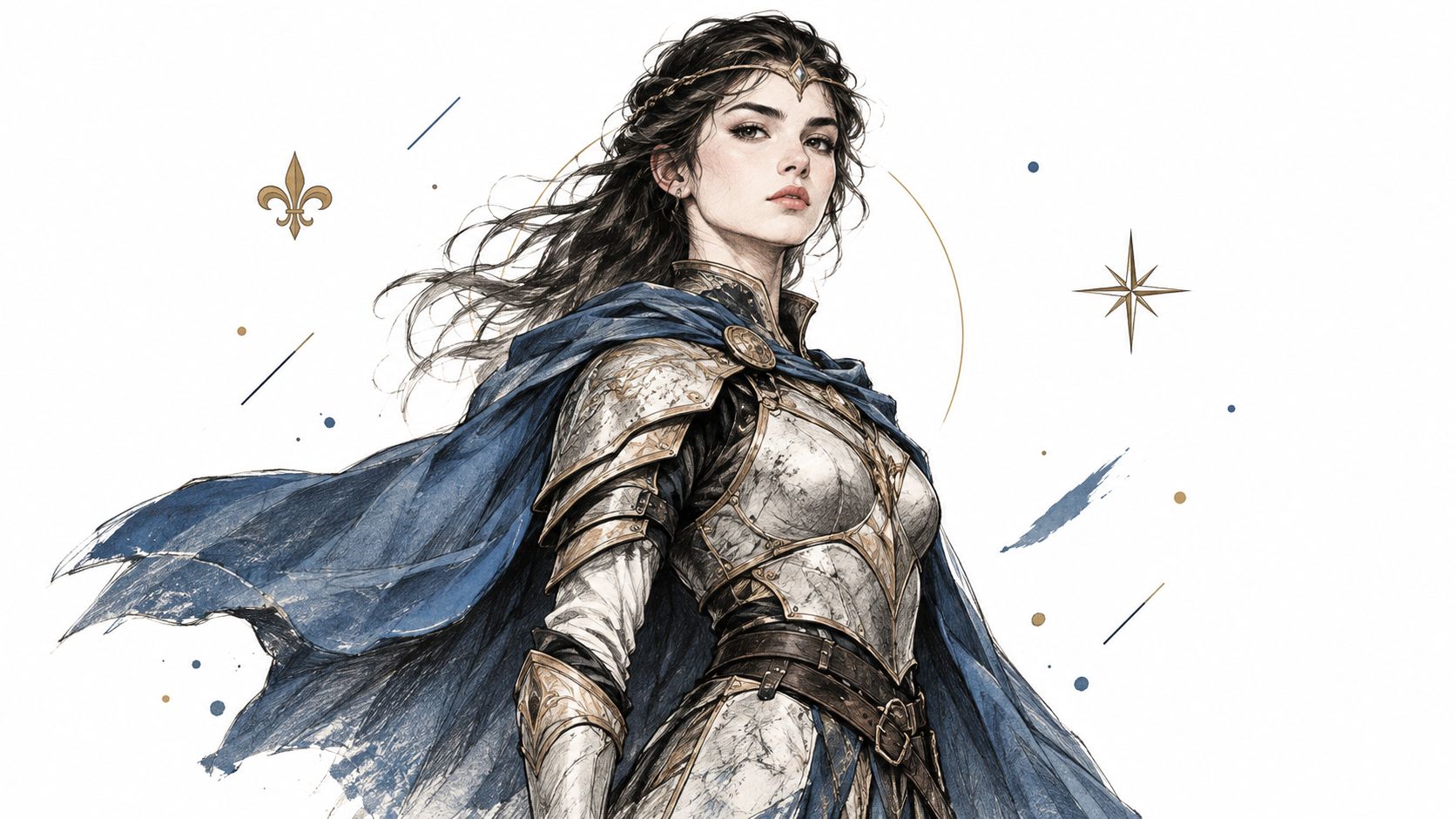
Una principessa guerriera diventa affascinante quando la leadership le costa qualcosa. La forza da sola produce un simbolo. Una paura specifica, una fedeltà divisa o un errore che colpisce altre persone producono una persona.
Costruiscila come un'erede adolescente o giovane adultache si è allenata per la battaglia ma non ha imparato a governare persone che non sono d'accordo con lei. È decisa nelle crisi e impaziente durante i negoziati. La sua contraddizione centrale è che vuole proteggere il suo regno, ma ha interiorizzato la convinzione che proteggere significhi prendere ogni decisione da sola.
Il suo passato potrebbe iniziare con una difesa di frontiera fallita che l'ha separata da un fratello o da un mentore. La corte ha celebrato la sua sopravvivenza, mentre lei ricorda in privato le persone che il suo comando non ha potuto salvare. Questa storia le dà un motivo per diffidare della cerimonia e un motivo per prepararsi eccessivamente.
Il suo arco narrativo esterno può coinvolgere una guerra, una ribellione o una successione politica. Il suo arco interno le richiede di ridefinire il coraggio come ascolto, delega e accettazione di aiuto. Una scelta culminante dovrebbe mettere alla prova se preserverà la sua immagine di principessa invincibile o ammetterà ciò che non sa.
Il design visivo dovrebbe comunicare il rango senza farla sembrare intoccabile. Abbina una forma di armatura riconoscibile a un dettaglio personale, come un mantello blu riparato, uno stemma di famiglia indossato su un guanto o una treccia legata da un ex rivale.
Usa i prompt di starryai che specificanoarmatura, posa, illuminazione e stato emotivo:
Per una scheda di riferimento visivo, varia l'espressione e l'ambientazione mantenendo la stessa armatura, la struttura dei capelli e la palette di colori. Questa coerenza aiuta i lettori a riconoscere il personaggio su una copertina, un'illustrazione interna e un post promozionale.
L'antieroe misterioso funziona quando i lettori comprendono le sue scelte prima di approvarle. Può mentire, rubare, manipolare o abbandonare un alleato, ma il suo comportamento dovrebbe seguire una logica emotiva coerente piuttosto che esistere solo per farla sembrare oscura.
Rendila un'giovane investigatrice, studentessa, ladra o protagonista di thriller psicologicocon una rigida regola personale. Forse non tradisce mai un bambino, non accetta mai un regalo o non fa mai una domanda a cui non è preparata a rispondere. La regola offre ai lettori un confine visibile. La storia diventa tesa quando le circostanze la costringono a superarlo.
Il suo passato potrebbe coinvolgere il tradimento da parte di qualcuno che ha usato la sua fiducia contro di lei. Da allora, ha trattato l'intimità come una passività e ha costruito un'identità attorno all'essere impossibile da conoscere. La sua contraddizione è chiara: vuole giustizia, ma vuole anche vendetta, e non sempre le distingue.
L'arco narrativo esterno dovrebbe esporre un segreto che preferirebbe custodire. L'arco interno chiede se può dire la verità senza rinunciare alla sua autonomia. Non redimerla rendendola improvvisamente innocua. Lasciala cambiare scegliendo un'azione costosa che si allinea con i suoi valori.
Il parziale occultamento visivo supporta questo personaggio perché rispecchia la sua strategia emotiva. Un cappuccio, una finestra riflessa, un profilo oscurato o un'ombra tagliente possono suggerire segretezza, ma gli occhi, le mani e la postura dovrebbero comunque rivelare una scelta.
Prova direzioni di prompt come:
Una palette scura non basta a creare intrigo. Dai all'immagine un indizio luminoso, come un filo rosso, una chiave d'argento o un braccialetto familiare. Quella contraddizione visiva può diventare un oggetto della storia con un suo significato.
La relazionabilità cresce da problemi riconoscibili filtrati attraverso una personalità inaspettata. La protagonista eccentrica e relazionabile potrebbe notare ogni pausa imbarazzante, ricordare fatti strani o risolvere problemi ordinari con invenzioni fatte in casa. Il suo umorismo e il suo entusiasmo attirano le persone, eppure le stesse abitudini possono creare confusione o guai.
Progettala come unaragazza delle medie, adolescente o giovane adultacon l'osservazione come sua forza principale. Scegli un modello sociale per plasmare il suo comportamento: fa battute quando è in imbarazzo, accetta troppo perché ha paura di deludere gli altri o tratta ogni errore come prova del fatto che non appartiene a quel posto. Quel modello dà al personaggio un motore emotivo coerente piuttosto che una collezione di stranezze casuali.
Un recente trasloco, un'amicizia spezzata o un ruolo inaspettato in un'azienda di famiglia possono fornire il background. Potrebbe conservare idee fallite, frasi ascoltate per caso o lavoretti non finiti in una scatola privata perché creare cose sembra più sicuro che chiedere aiuto. Il suo problema esterno potrebbe riguardare un progetto scolastico, una disputa di quartiere, una storia d'amore o un conflitto familiare. Il suo arco interno le chiede di smettere di recitare una versione più comoda di se stessa. Mantiene il suo umorismo e le sue idee insolite, ma impara che la comunicazione onesta richiede più coraggio dell'ingegno.
Dai alla stranezza un compito nella storia: dovrebbe rivelare pressione, creare una complicazione o aiutarla a connettersi.
Costruisci l'identità visiva a partire da dettagli ordinari con un significato specifico. Strati confortevoli, mani espressive, consistenza naturale dei capelli e uno zaino affollato possono stabilire la sua vita quotidiana. Un'unghia smangiucchiata può suggerire abitudini nervose, orecchini spaiati possono mostrare un'indipendenza giocosa e della farina su una manica può indicare una responsabilità familiare. Mantieni alcuni dettagli ricorrenti tra le immagini in modo che il personaggio rimanga riconoscibile mentre le sue espressioni e le sue ambientazioni cambiano.
Usa varianti di prompt per starryai che collegano l'aspetto all'azione:
La rappresentazione dovrebbe plasmare l'intera persona, inclusi tratti etnici, tipo di corpo, ausili per la mobilità, struttura familiare e consistenza dei capelli. Varia queste scelte senza trattarle come decorazione.La guida al design dei personaggi per costruire un'identità visiva coerentepuò supportare questo processo.
Il compimento romantico non deve fungere da premio finale per una ragazza. Questo personaggio possiede desiderio, intelligenza e profondità emotiva, ma misura il successo in base alla vita che costruisce anziché in base all'ottenimento di un partner.
Inizia con unaprofessionista adulta o giovane donna maturala cui presentazione controllata riflette anni di pratica. Potrebbe essere la curatrice di un museo, un'architetta, un'avvocata, un'editrice, un'imprenditrice o una stratega politica. La sua personalità è osservatrice, capace e indipendente. Potrebbe anche evitare la collaborazione perché la dipendenza un tempo le è sembrata insicura.
Il suo passato può iniziare con le responsabilità infantili. Anticipando i bisogni di chiunque altro, ha imparato ad associare il controllo alla sicurezza. La trama la pone poi di fronte a un problema che la competenza non può risolvere da sola, come uno scandalo pubblico, una difficile eredità, una rivalità professionale o una decisione della comunità.
Dai alla storia una crisi esterna e un adattamento interno. Deve gestire il problema immediato, imparando al contempo che accettare aiuto non cancella la sua competenza. Il suo arco narrativo porta a una scelta consapevole tra amore, amicizia, solitudine o un diverso tipo di partnership. Il premio è la paternità (e autorialità) della propria vita.
Lascia che la compostezza riveli la pressione, poi lascia che un dettaglio spezzato riveli il cambiamento.
Usa il contrasto visivo per rendere visibile quell'arco narrativo. Un blazer attillato, gioielli minimali, postura precisa e uno sguardo attento stabiliscono la sua identità pubblica. Un polsino slacciato, una manica macchiata di vernice, una scrivania affollata o un pasto incompiuto possono mostrare la tensione privata sottostante. Ripeti alcuni dettagli tra le generazioni di starryai in modo che il suo viso, il linguaggio del guardaroba e la presenza visiva rimangano coerenti man mano che il suo stato emotivo cambia.
Costruisci i suggerimenti attorno a una situazione piuttosto che a un'etichetta statica:
La rappresentazione dovrebbe modellare molto più che i suoi vestiti. Specifica il background culturale, l'età, il tipo di corpo, i tratti del viso, la consistenza dei capelli e l'ambiente professionale senza trattare alcuna singola scelta come simbolo di raffinatezza. L'originalità deriva dalla combinazione di quei dettagli con la sua storia e il suo dilemma. Cambia la sua espressione, la sua postura e l'ambiente circostante tra un prompt e l'altro, mantenendo stabili le caratteristiche identificative.
Un vampiro, una strega, una fata o un altro essere sovrannaturale diventano emotivamente accessibili quando la premessa magica crea un problema ordinario. L'immortalità può complicare l'amicizia. Un incantesimo può interferire con il consenso. Un dovere sovrannaturale può entrare in conflitto con la cura di un fratello minore o il mantenimento di un lavoro.
Rendila un'personaggio fantasy urbano adolescente o adultoche esiste tra i mondi. Potrebbe essere un vampiro a cui mancano i pasti condivisi, una strega che ha paura di usare il potere in pubblico o una donna fata legata da promesse in cui non crede più. La sua contraddizione dovrebbe collegare l'elemento sovrannaturale a un bisogno umano.
Il suo passato potrebbe comportare l'abbandono di una comunità nascosta dopo un disaccordo con le sue regole. Ora vive sotto un'identità attenta, proteggendo un segreto mentre stringe rapporti con persone che non sanno cosa sia. La pressione inizia quando qualcuno del suo mondo precedente le chiede di tornare.
Il suo arco narrativo esterno richiede una scelta tra la fedeltà a una società sovrannaturale e la responsabilità verso le persone umane che ama. Il suo arco interno chiede se riesce ad accettare entrambe le parti di sé senza trattarne una come una contaminazione.
Il design sovrannaturale più forte mostra il costo di essere straordinari in una stanza ordinaria.
Usa suggerimenti a doppia natura che combinano caratteristiche ultraterrene con il calore umano:
Ripeti lo stesso colore degli occhi, silhouette, accessorio e trattamento dell'aura nei ritratti, nelle immagini d'azione e in quelle emotive. L'elemento sovrannaturale dovrebbe supportare le relazioni del personaggio, non sostituirle.
Un'eroina diversificata diventa memorabile attraverso scelte specifiche, non solo grazie alla rappresentazione simbolica.Dalle un obiettivo concreto, una contraddizione privata e relazioni che rivelano più di una spiegazione culturale. La sua eredità può modellare l'ambientazione, la posta in gioco e il linguaggio visivo senza ridurla a un ruolo di rappresentanza.
Scegli unabambina, adolescente o adulta le cui esperienze culturali, etniche e socioeconomiche influenzano il modo in cui interpreta l'opportunità e il rischio. La sua personalità potrebbe essere osservatrice e diplomatica, ambiziosa ma facilmente stanca del compromesso, o calorosa in pubblico e guardinga con la famiglia. Una ragazza dell'Asia meridionale potrebbe restaurare un archivio di famiglia, una giornalista latina potrebbe indagare su una decisione locale, un'eroina fantasy nera potrebbe muoversi attraverso un mondo visivo di ispirazione africana, o una studentessa di cultura mista potrebbe fare da interprete tra parenti che raramente sono d'accordo.
Dalle eredità e autonomia (agency). Forse è cresciuta spostandosi tra lingue, comunità o aspettative familiari. Ha imparato ad adattarsi, ma risente dell'essere la persona che mantiene ogni gruppo a proprio agio. La sua storia inizia quando sceglie un obiettivo che potrebbe deludere le persone che ama.
La trama esterna potrebbe coinvolgere la migrazione, un segreto di famiglia, l'ambizione creativa, il conflitto politico o un mondo fantasy costruito su ispirazioni culturali non europee. Il suo arco interno passa dalla performance e dal compromesso verso un'identità che definisce lei stessa.
Specifici dettagli culturali dovrebbero creare tensione nella storia, non funzionare come decorazione.
Ricerca abbigliamento, architettura, convenzioni sui nomi, dettagli religiosi o cerimoniali e oggetti di uso quotidiano prima di aggiungerli a un prompt visivo. Separa i riferimenti culturali che non appartengono l'uno all'altro e scegli i dettagli collegati alla casa, alla comunità o alla storia reale dell'eroina.
Costruisci un set di prompt attorno allo stesso nucleo emotivo:
Mantieni coerenti l'età, i tratti del viso, l'acconciatura, la silhouette e gli oggetti significativi tra ritratti, scene d'azione e immagini emotive più tranquille. Un sensivity reader o un consulente per la diversità possono identificare i dettagli che sembrano presi in prestito o appiattiti, mentre laguida starryai alla rappresentazione diversificataoffre ulteriori indicazioni sul trattamento della varietà visiva come parte dello sviluppo del personaggio anziché dello styling dell'ultimo minuto.
Un'antagonista femminile avvincente fa sì che il lettore comprenda il suo ragionamento prima di giudicare i suoi metodi. Il suo dolore può spiegare la crudeltà senza scusarla, dando all'eroina un conflitto che non può essere risolto dimostrando che l'antagonista è malvagia.
Inizia con unaantagonista adolescente o adultala cui personalità è plasmata dal controllo, dal sospetto o dal dovere implacabile. Potrebbe governare una città per prevenire disordini, smantellare un'istituzione che ha sfruttato la sua famiglia o imporre la pace dopo essere sopravvissuta alla guerra. La sua contraddizione centrale dovrebbe guidare ogni scena: disprezza la coercizione, ma la usa perché non si fida più delle persone affinché cooperino liberamente.
Dai alla cattiva un vero torto subito, poi mostra il danno causato dalla sua risposta.
Il suo passato ha bisogno di una ferita che rimanga valida dopo che le sue scelte diventano distruttive. Un consiglio l'ha tradita, una comunità l'ha abbandonata o una persona amata è morta mentre i leader ritardavano l'azione. L'eroina dovrebbe riconoscere questa ingiustizia, creando pressione morale accanto al pericolo fisico. Quel riconoscimento fa sentire l'antagonista come un possibile futuro anziché un'estranea dalla crudeltà casuale.
Costruisci l'arco narrativo attorno a una decisione, non a un'etichetta fissa. Il piano della cattiva può diventare più severo man mano che la resistenza aumenta. Potrebbe rifiutare un'ultima possibilità di cambiare o accettare la responsabilità troppo tardi per riparare ciò che ha distrutto. Ciascun finale dovrebbe seguire i suoi valori stabiliti. Una conclusione di redenzione è facoltativa; la responsabilità no.
Una postura rigida può suggerire autocontrollo, mentre uno sguardo perseguitato ne rivela il costo. Abbina la bellezza all'evidenza della perdita: un cappotto immacolato in una stanza in rovina, un oggetto cerimoniale tenuto troppo stretto o un anello di famiglia premuto in una mano tesa. Questi dettagli fanno sì che l'immagine serva alla storia del personaggio.
Crea varianti di prompt starryai dallo stesso nucleo emotivo:
Mantieni coerenti l'età, i tratti del viso, la silhouette, la logica dell'abbigliamento e un oggetto significativo nei vari ritratti e scene d'azione. Evita di copiare lo stile di un cattivo già noto. Annota ciò che desidera, teme, nega e il primo confine che ha varcato. Queste risposte creano spunti visivi originali e ancorano la rappresentazione a una vita specifica anziché a una generica immagine del male.
La rappresentazione neurodivergente funziona al meglio quando la diagnosi non è l'intera trama. Una ragazza autistica, una ragazza con ADHD o un personaggio che convive con ansia o depressione dovrebbero avere interessi, umorismo, relazioni, preferenze e ambizioni che rimangono importanti quando i sintomi non guidano la scena.
Scegli unadirezione del personaggio adatta all'etàe decidi cosa il suo ambiente fraintende. Potrebbe aver bisogno di routine prevedibili, sperimentare sovraccarico sensoriale, concentrarsi iperattivamente su un interesse specializzato, perdere la percezione del tempo o comunicare più comodamente per iscritto. Questi tratti dovrebbero influenzare le scelte e le relazioni senza diventare una collezione di segnali esagerati.
Il suo passato potrebbe includere anni in cui è stata etichettata come difficile, negligente, distante o eccessivamente sensibile. Ha imparato a mascherarsi in pubblico, il che la fa sembrare di successo pur lasciandola esausta. L'arco narrativo esterno potrebbe riguardare un progetto scolastico, una transizione familiare, un mistero o un obiettivo creativo. L'arco interno si muove verso la conoscenza di sé e un supporto utile, non verso il diventare indistinguibile da chiunque altro.
Evita di fare del trauma l'unica fonte di profondità. Dalle un'amicizia in cui è divertente, una materia che ama, un'abilità pratica e un desiderio non correlato alla diagnosi. Mostrala mentre si regola, stabilisce confini, ripara malintesi e riceve aiuto senza trasformare il supporto in umiliazione.
Per i prompt visivi, concentrati sulle emozioni autentiche piuttosto che su un presunto “aspetto neurodivergente”:
I lettori sensibili con esperienza vissuta rilevante possono identificare stereotipi, inquadramenti dannosi e contesti mancanti prima della pubblicazione.
Una ragazza di supporto guadagna il suo posto in un ensemble quando la storia cambierebbe senza le sue scelte.Il suo scopo non è spiegare la protagonista o fornire romanticismo. Dovrebbe perseguire un obiettivo che rimane significativo anche se l'eroe centrale se ne va, influenzando poi il gruppo attraverso una strategia che nessun altro può fornire.
Costruiscila come un'membro della squadra di livello medio, adolescente o adultocon una chiara specializzazione e una posta in gioco personale. Uno stratega fantasy può comprendere le alleanze politiche meglio dell'eroe prescelto. Un pianificatore di colpi può gestire la logistica mentre prepara discretamente la propria uscita. Nella narrativa letteraria, una sorella, una collega o una vicina possono rivelare un modo diverso di comprendere il problema centrale.
La sua specializzazione è lo strumento visibile. La sua contraddizione le conferisce peso emotivo. Potrebbe comandare una stanza pur temendo la delusione della famiglia, apparire socialmente sicura di sé mentre evita il dolore, o risolvere problemi tecnici risentendo della visione ristretta del gruppo sulla sua utilità.
Dalle una decisione che la squadra non può prendere per lei.
Un passato conciso dovrebbe spiegare cosa vuole dal gruppo, non solo come vi si è unita. Forse la squadra offre l'accesso a un obiettivo, la possibilità di riparare un vecchio errore o la protezione di qualcuno che ama. Il suo arco esterno potrebbe portarla a prendere il comando, cambiare fazione, proteggere qualcuno o completare un obiettivo personale che entra in conflitto con il piano della squadra. Il suo arco interno raggiunge una scelta che appartiene solo a lei. Se se ne va, il gruppo perde una visione del mondo oltre a un'abilità.
Usa silhouette, colore ricorrente, postura e un oggetto significativo per distinguere ciascun membro. Queste scelte funzionano come etichette su una mappa: i lettori possono identificare chi conta prima di conoscere ogni dettaglio. Coordina la squadra attraverso una direzione artistica e un'ambientazione condivise, variando al contempo età, carnagione, capelli, abbigliamento ed espressione. La rappresentazione dovrebbe sembrare specifica per ciascun personaggio piuttosto che decorativa.
Trasforma il nucleo emotivo in varianti di prompt per starryai:
Mantieni lo stesso linguaggio visivo tra le generazioni, quindi cambia una variabile di design alla volta. Ciò preserva la continuità mostrando al contempo come ogni personaggio differisca.
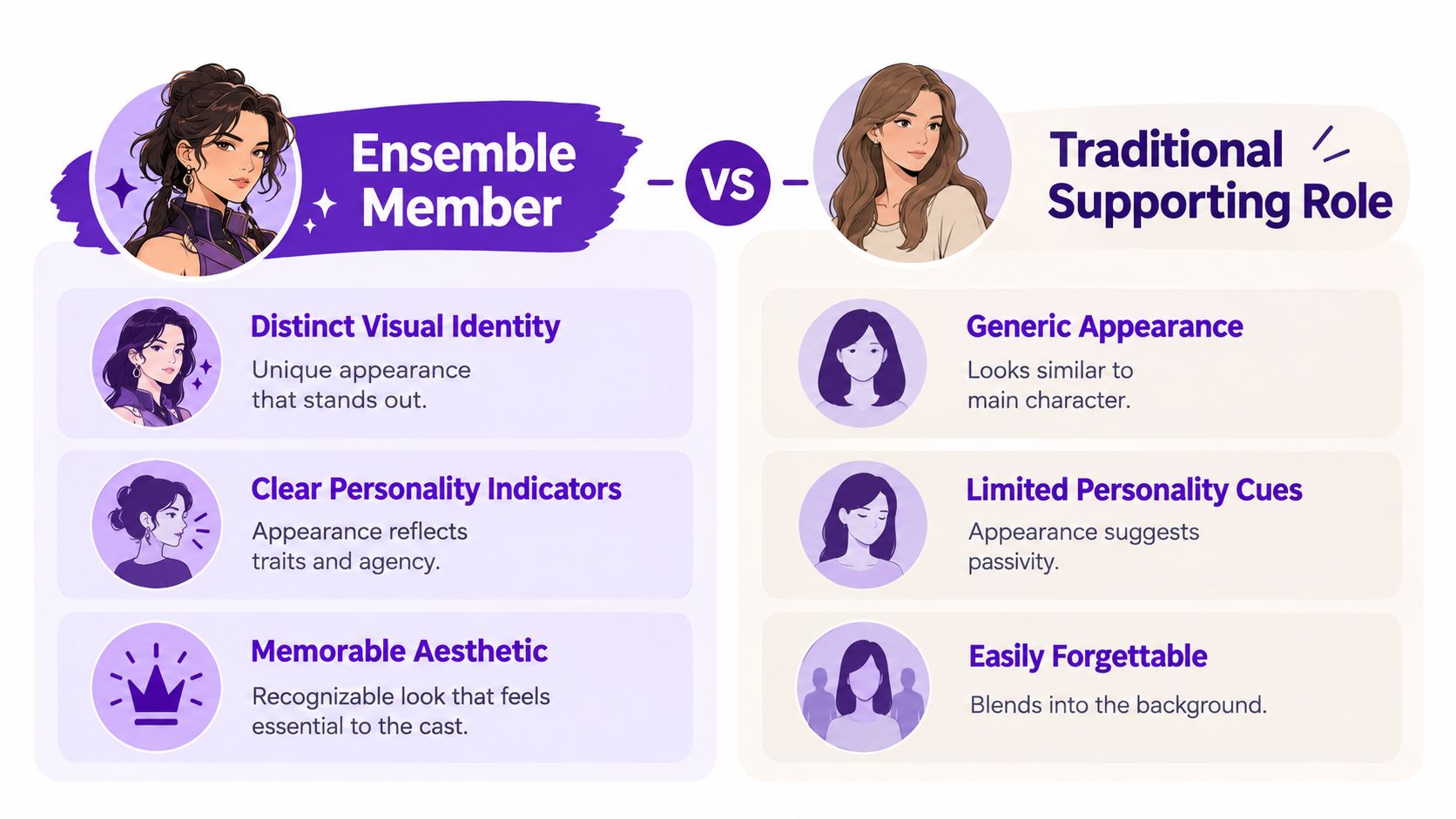
Questo video offre un altro riferimento visivo per il design dei personaggi e la distinzione del gruppo.
| Archetipo | 🔄 Complessità di Implementazione | ⚡ Risorse e Velocità | ⭐ Qualità Prevista | 📊 Casi d'Uso Ideali | 💡 Consigli / Vantaggi Chiave |
|---|---|---|---|---|---|
| La Sognatrice Eterea | Bassa, prompt di testo semplici, configurazione minima | Molto bassa, generazioni starryai istantanee | ⭐⭐⭐, di grande impatto visivo, di tendenza | Copertine di libri paranormali/fantasy, social media, stampe Etsy | Altamente condivisibile; stratificare generazioni per mood board; attenzione all'abuso del genere |
| La Fiera Principessa Guerriera | Media, posa e dettagli dell'armatura richiedono spesso iterazioni | Media, generazioni multiple per equipaggiamento/illuminazione precisi | ⭐⭐⭐, visivi audaci e commerciali | Fantasy epico, copertine sci-fi, avatar di gioco, grafica RPG | Specificare il tipo di armatura e l'illuminazione drammatica; generare variazioni per il realismo |
| L'Antieeroina Misteriosa | Media-Alta, ingegneria dei prompt accurata per evitare i cliché | Medio, richiede controlli di illuminazione/atmosfera | ⭐⭐, altamente efficace quando viene colta la sfumatura | Thriller psicologici, dark fantasy, copertine cupe | Usa ombreggiature, cappucci, illuminazione in stile film‑noir; fai tentativi per trasmettere ambiguità morale |
| Il Protagonista Eccentrico e Identificabile | Prompt bassi e naturali, ma richiede cenni di personalità | Basso, veloce, con molte variazioni informali | ⭐⭐, autentico, emotivamente risonante | YA contemporaneo, commedie romantiche, storie di formazione | Includi descrittori di personalità e caratteristiche diverse; evita risultati generici |
| L'Antidramma Elegante e Sofisticato | Medio, richiesti sottigliezza nello stile e nell'espressione | Medio, rendering rifiniti e raffinati | ⭐⭐, ambizioso, mirato a lettori adulti | Narrativa letteraria, narrativa al femminile, racconti femministi | Usa prompt di moda su misura, gioielli minimali; bilancia la rifinitura con il calore |
| L'Essere Soprannaturale con Umanità Nascosta | Medio‑Alto, unisce con attenzione tratti umani e magici | Medio, effetti di stratificazione e specificità della creatura | ⭐⭐⭐, emotivamente avvincente e ultraterreno | Romance paranormale, urban fantasy, giochi fantasy | Stratifica sottili indicatori soprannaturali; varia tonalità di occhi/pelle per dare freschezza |
| L'Eroina Diversa e Multiculturale | Medio, richiede specificità culturale e sensibilità | Medio, multiple variazioni + ricerca | ⭐⭐⭐, alto impatto sociale e vendibilità | Narrativa contemporanea inclusiva, fantasy multiculturale | Usa descrittori culturali espliciti; ricerca l'estetica e utilizza revisori della sensibilità |
| Il Cattivo Moralmente Complesso | Alto, bilancia visivamente minaccia e simpatia | Medio‑Alto, iterazioni per trovare il tono giusto | ⭐⭐⭐, memorabile e coinvolgente se ben fatto | Narrativa letteraria/speculativa, thriller, storie incentrate sui personaggi | Enfatizza gli indizi tragici, sperimenta con l'illuminazione, abbina le immagini al background |
| Il Personaggio Neurodivergente e Rappresentato Autenticamente | Alto, richiede ricerca e consultazione | Medio‑Alto, creazione attenta del prompt e revisione della sensibilità | ⭐⭐⭐, risuona profondamente se autentico | Narrativa contemporanea inclusiva, storie sulla salute mentale | Consulta lettori neurodivergenti, ritrai tratti che vanno oltre la diagnosi, mostra gamma emotiva |
| Il Membro Potente del Cast Corale Femminile | Alto, coordina design distinti ma coerenti in tutto il cast | Medio‑Alto, molte generazioni per ciascun personaggio | ⭐⭐⭐, forte presenza corale, uso versatile | Romanzi corali, adattamenti, mood board del cast | Genera mood board coordinate, garantisci identità distinte e diversità |
Un aspetto sorprendente può far nascere un personaggio, ma non può reggere una storia intera. I più fortiidee di personaggi di libri per ragazzecollegano l'identità visiva alla pressione narrativa. Un sognatore dai capelli argentati ha bisogno di un motivo per temere le sue visioni. Una principessa guerriera ha bisogno di una decisione di leadership che metta alla prova le sue convinzioni. Un cattivo ha bisogno di un torto subito che renda il conflitto moralmente scomodo. Un membro del cast ha bisogno di un obiettivo che esista al di là delle necessità del protagonista.
Inizia scegliendo il/laruolo narrativo. È la protagonista, l'antagonista, l'investigatrice, la guida, la rivale, l'interesse amoroso o un membro di una squadra più grande? Il ruolo determina quanta informazioni ricevono i lettori su di lei e quale tipo di scelte deve compiere. Non lasciare che un concetto visivamente drammatico decidi il ruolo da solo. Stabilisci prima quale lavoro svolge il personaggio nella storia.
Successivamente, definisci una direzione di personalità adatta all'età. Dalle una qualità dominante, poi aggiungi una contraddizione che crei attrito. Può essere generosa ma risentita, sicura ma evitante, pratica ma superstiziosa, divertita ma timorosa di essere conosciuta, o disciplinata ma incapace di riposare. La contraddizione non dovrebbe essere una svolta decorativa. Dovrebbe influenzare i suoi dialoghi, le sue relazioni, le sue decisioni e i suoi errori.
Scrivi un breve retroscena che crei pressione nel presente. Non hai bisogno di una biografia completa. Scegli l'evento, la convinzione, la promessa o la perdita che rende il problema attuale difficile. Poi chiedi cosa crede a causa di quel passato e quale nuova esperienza potrebbe sfidare quella convinzione.
Costruisci un arco esterno attorno a un problema visibile. Potrebbe aver bisogno di risolvere un mistero, proteggere una comunità, sfuggire a un accordo politico, riparare un'amicizia, vincere un concorso, smascherare un cattivo o decidere se usare un potere pericoloso. Accanto ad esso, costruisci un arco interno attorno a una convinzione che deve rivedere. Il successo esterno senza movimento interno può far sembrare un personaggio statico. La crescita interna senza scelte esterne significative può far sembrare la storia scollegata dalle conseguenze.
La rappresentazione merita la stessa cura di sviluppo della trama. Non usare l'identità culturale come scorciatoia visiva, e non usare la neurodivergenza come fonte di sofferenza ispiratrice. Ricerca dettagli che non conosci, cerca feedback da lettori di sensibilità appropriati e lascia che il personaggio abbia piaceri ordinari, cattive abitudini, umorismo e relazioni. Una ragazza può rappresentare una comunità pur rimanendo abbastanza specifica da sorprendere il lettore.
Confronta questi concetti piuttosto che copiarli. Combina la direzione visiva del Sognatore Etereo con il conflitto morale dell'Antieroe. Dai alla Principessa Guerriera la personalità tranquilla della Protagonista Relazionabile. Inserisci l'Anti-Romance Elegante in un'ambientazione soprannaturale, o rendi il membro del gruppo la persona che comprende meglio il cattivo. L'originalità spesso deriva dal combinare un arco emotivo con un linguaggio visivo che i lettori non si aspettano di vedere insieme.
Usa starryai dopo aver saputo cosa vuole, teme, nasconde e cambia il personaggio. Mantieni una breve base di prompt che nomini tratti stabili, quindi aggiungi istruzioni specifiche per la scena. La base potrebbe includere fascia d'età, carnagione, capelli, abbigliamento distintivo, accessorio, linguaggio del corpo, direzione artistica e tavolozza ricorrente. Cambia l'ambientazione e l'emozione senza cambiare ogni caratteristica definitoria.
Crea tre variazioni di prompt per ogni concetto completato:
Rivedi le tre immagini insieme. Se sembrano persone diverse, semplifica il design e ripeti i tratti stabili. Se sembrano identiche in ogni scena, aggiungi più variazione emotiva e ambientale. Lo scopo dell'arte dei personaggi è supportare l'identità della storia, non sostituire il lavoro di scrittura.
Scegli un concetto oggi, scrivi il suo desiderio e la sua contraddizione in due frasi, quindi crea i prompt per il ritratto, l'azione o l'ambientazione e il momento emotivo. Usa i riferimenti risultanti per rivedere il retroscena e l'arco del personaggio prima di progettare una copertina o pubblicare l'idea.
starryai offre la visualizzazione dei personaggi basata su testo per aspetto, personalità, mood board e indicazioni per la copertina del libro, rendendolo utile per sviluppare personaggi femminili originali senza perdere coerenza visiva.Visita starryaiper trasformare il sistema di personaggi che hai scelto in un insieme di riferimenti visivi che supportano la storia che stai scrivendo.


.svg)