
.png)

Written byMo Kahnon
April 9, 2025


Designing jewelry concepts is an art that requires creativity and innovation. With the advent ofAI in design, creatives can now explore new horizons and unlock endless possibilities for creating unique and eye-catching designs. Whether you're an experienced professional or an enthusiastic hobbyist, incorporating AI into your jewelry design process can be a thrilling and rewarding experience.
Here is our five-step guide on how to design jewelry concepts using AI:
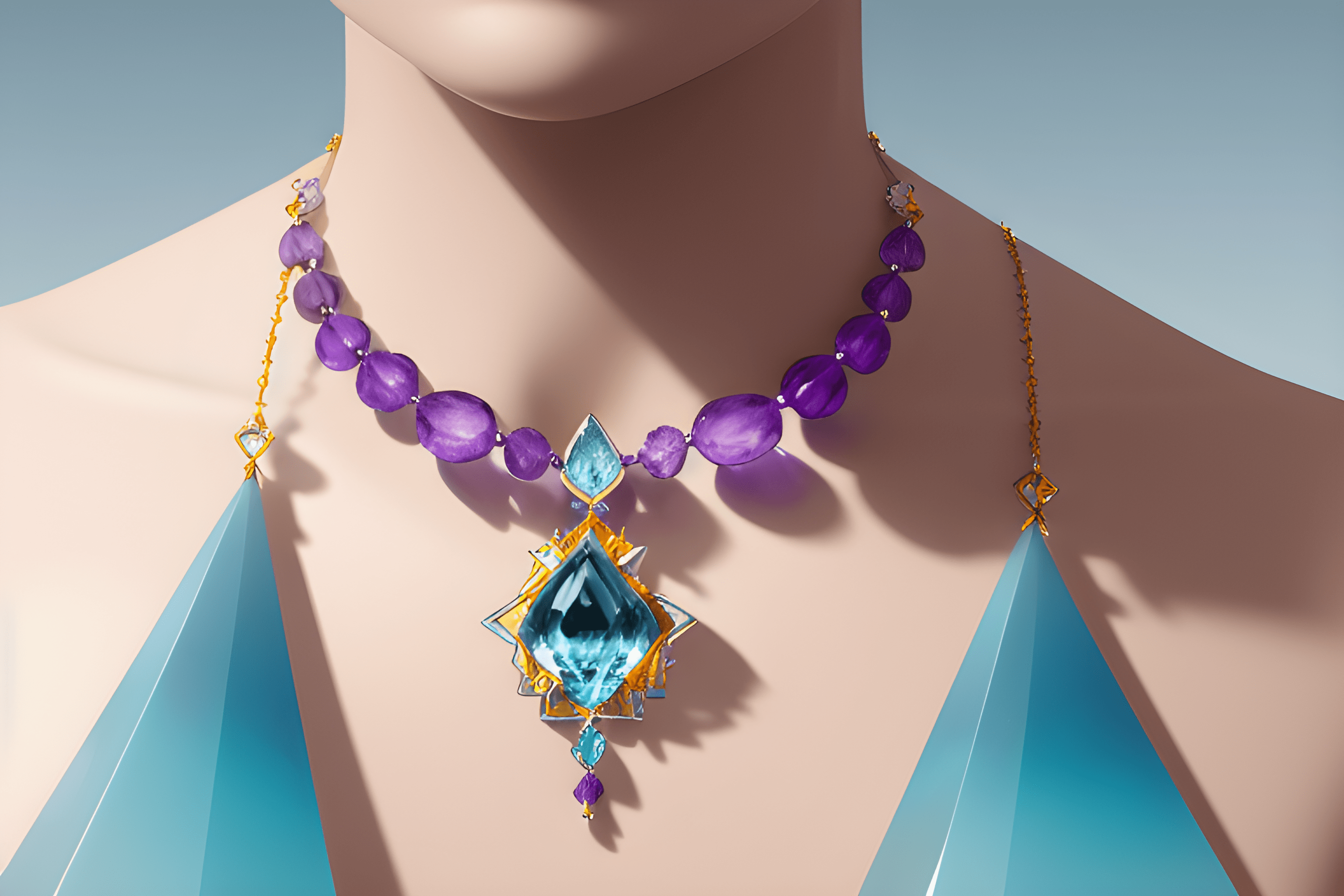
Choosing thebest AI design softwareis an important step in incorporating AI into your jewelry design process. There are several options available, each with its own strengths and capabilities.
Generative design software is one option that uses AI algorithms to create a range of designs based on specific parameters. This software can be used to generate a large number of designs quickly, which can then be refined and curated based on your preferences.
Another option is AI-powered design tools, such as Adobe Illustrator. These tools use AI algorithms to help you create detailed 2D and 3D designs. They offer a wide range of features and capabilities, including drawing tools, object manipulation, and 3D rendering. Additionally, these tools often integrate with other design software, making it easy to transfer your designs between different programs.
With the rise ofAI art generatorslike starryai, you know have the option to design jewelry concepts with these tools. For example, you can input a text prompt with the features you would like to see in the jewelry before receiving an output from thetext to image generator. You can then carry out an iterative process to improve on these designs, choose the best ones, and save them to continue developing the concept.
starryai provides a platform to create a personalized workspace where you can explore various jewelry design concepts based on different themes andAI art prompts. By collecting all of your design ideas in one place, you can then select the most promising concepts to incorporate.
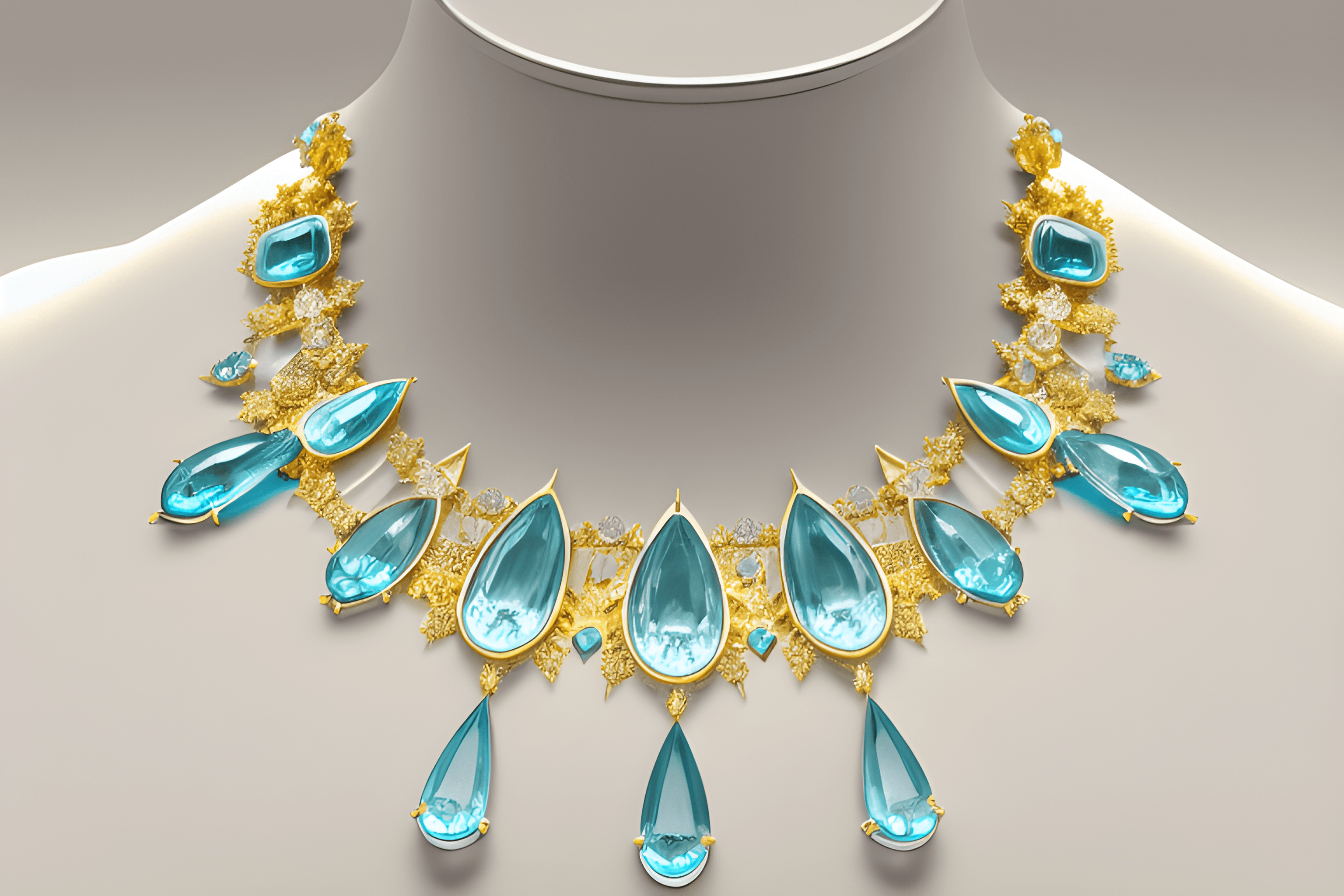
Before actually using AI to generate jewelry design concepts, it's important to define the design parameters that will guide the process. These parameters include the size, shape, materials, and other characteristics of the jewelry you want to create.
The size of the jewelry can range from small and delicate to bold and statement-making. Determining the desired size will help the AI generate designs that are appropriately scaled and proportioned. The shape of the jewelry can vary greatly, from simple geometric forms to intricate organic shapes. Identifying the desired shape will help the AI generate designs that fit the intended aesthetic.
The choice of materials is also critical in jewelry design. Different materials can convey different meanings and create different visual effects. For example, gold can symbolize luxury and elegance, while silver can convey a modern and minimalistic aesthetic. The choice of materials will impact the overall look and feel of the jewelry design.
Other design parameters to consider include the type of jewelry (such as earrings, necklaces, bracelets, or rings), the color scheme, the intended audience, and the budget. All of these factors will influence the design concept generated by the AI and ultimately impact the success of the final jewelry product.
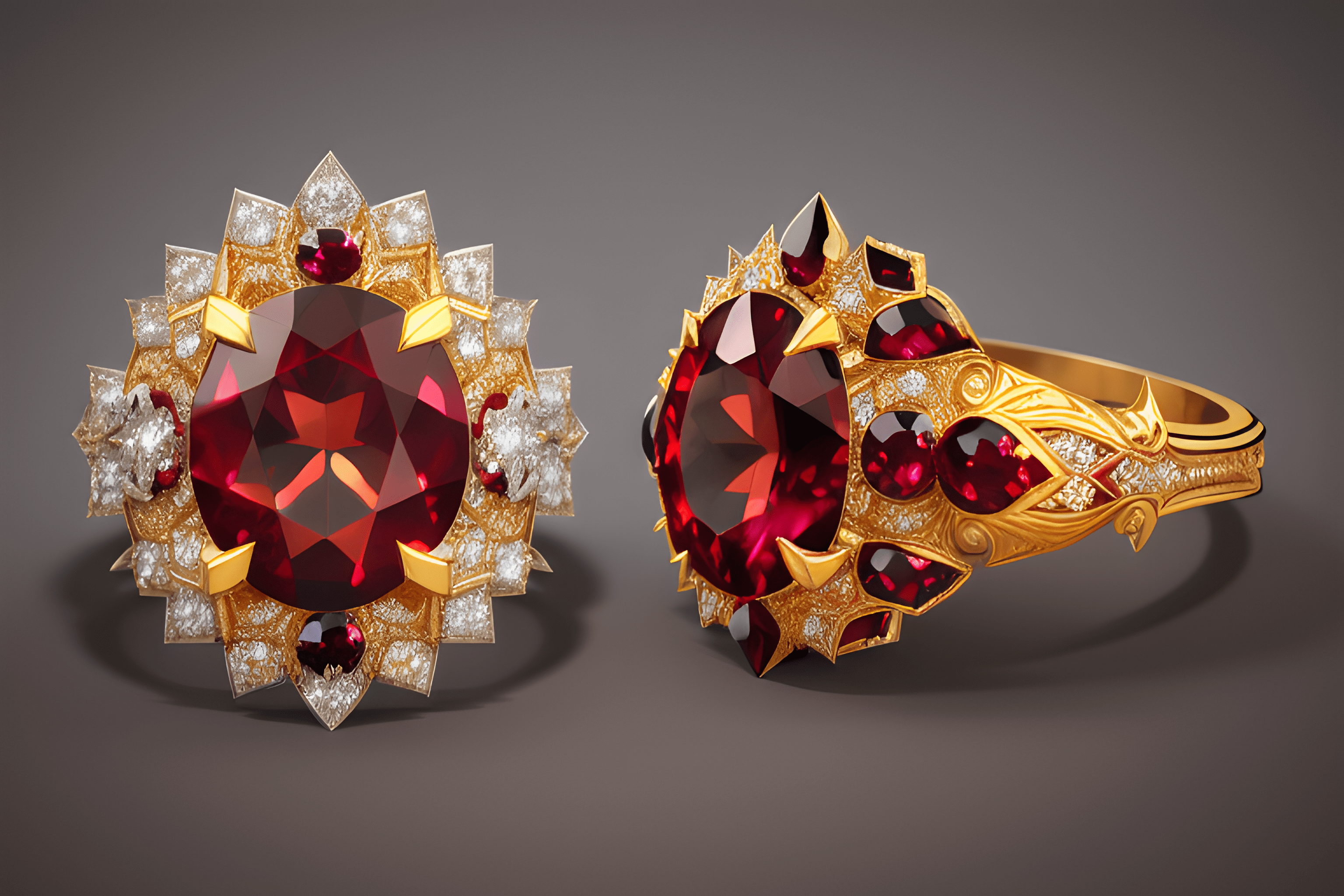
Once you have selected the appropriate design software and defined the design parameters, you can begin the process of generating jewelry design concepts with AI. This process typically involves inputting your design parameters into the software and letting the AI algorithm generate a range of concepts based on those parameters.
The AI algorithms can generate a vast number of design concepts quickly and efficiently. These designs can range from simple to complex, and they may include variations on your original design parameters. For example, if you specified a certain shape for your jewelry, the AI may generate variations on that shape or even suggest alternative shapes that may better suit your design goals.
It's important to experiment with different design parameters to achieve the desired results. The AI algorithm may not always produce the exact design you had in mind, but by tweaking the design parameters, you can refine the AI-generated concepts and arrive at a design that meets your needs.
It's important to remember that AI-generated concepts should be treated as a starting point rather than a final product. While AI can be a valuable tool in jewelry design, it's ultimately up to the designer to refine and curate the concepts generated by the AI and create a design that meets their specific needs and preferences.
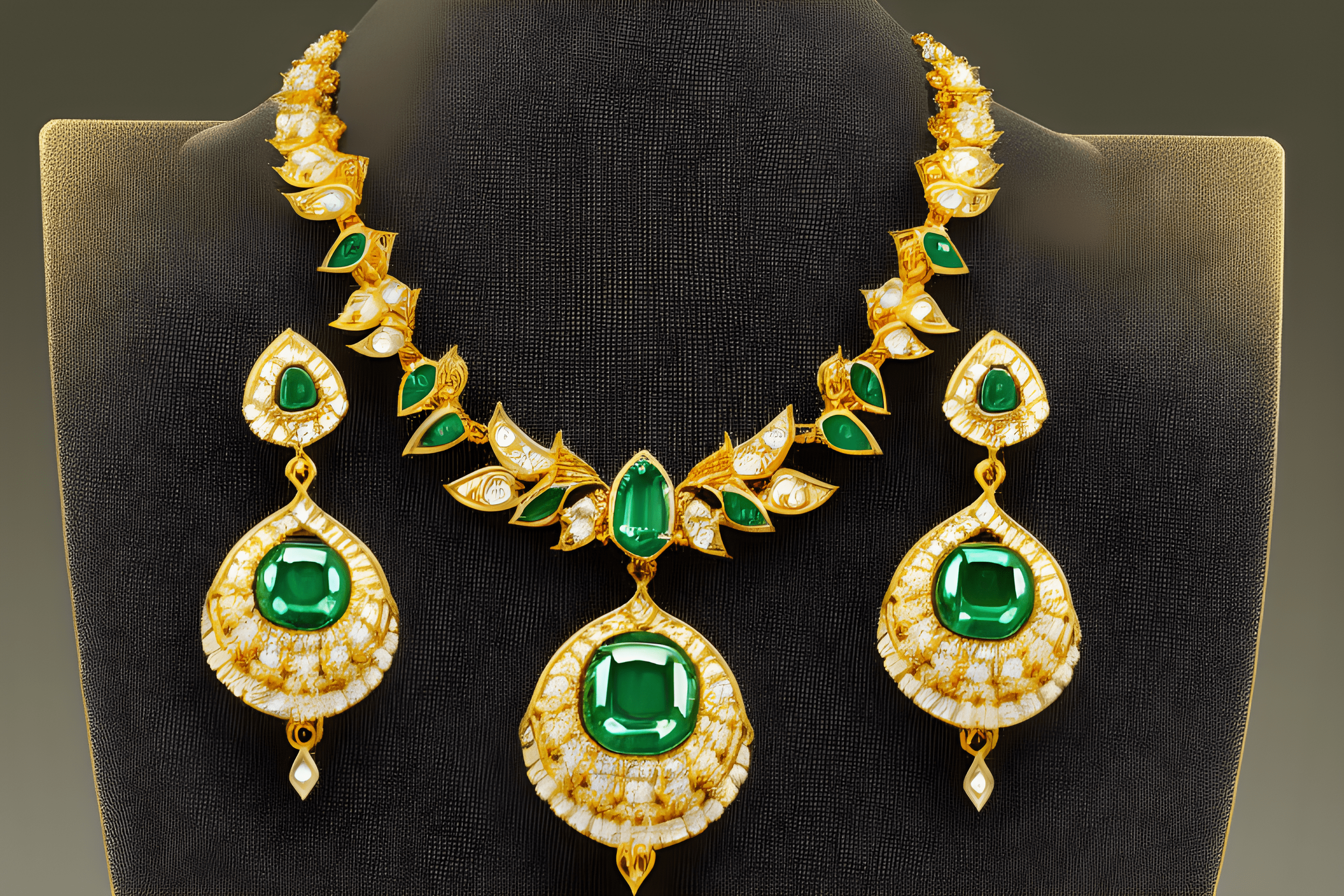
Zodra de AI een reeks ontwerpconcepten heeft gegenereerd op basis van de ontwerpparameters, is het tijd om de ontwerpen te evalueren en degene te selecteren die jou het meest aanspreken. Dit proces omvat het objectief bekijken van de ontwerpen en het in overweging nemen van factoren zoals esthetiek, functionaliteit en commerciële levensvatbaarheid.
Bij het evalueren van de door AI gegenereerde concepten is het belangrijk om een open mind te behouden en bereid te zijn om nieuwe ontwerpideeën te verkennen. Sommige ontwerpen kunnen erg verschillen van wat je in gedachten had, maar ze kunnen toch waardevolle inzichten en inspiratie bieden.
Zodra je de sieradenontwerpen hebt gevonden die je het mooist vindt, is het tijd om te beginnen met het verder verfijnen en ontwikkelen van die concepten. Dit proces omvat het gebruik van je eigen creativiteit en expertise om je persoonlijke touch aan de ontwerpen toe te voegen, waardoor ze uniek en visueel aantrekkelijk worden.
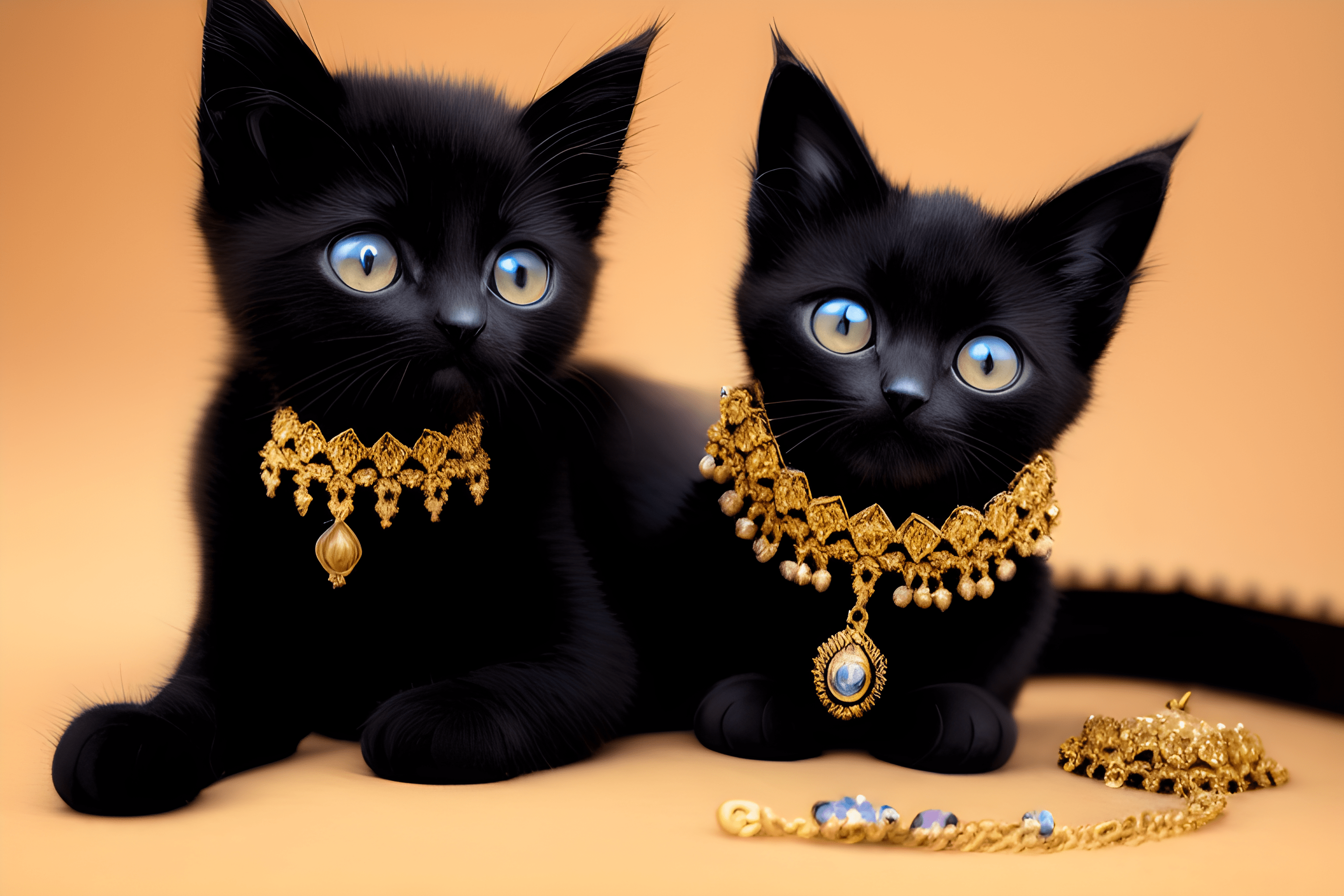
Het maken van prototypes is een essentieel onderdeel van het ontwerpproces van sieraden, omdat je hiermee je ontwerpen kunt visualiseren en eventuele aanpassingen kunt doorvoeren vóór de definitieve productie.
Er zijn twee primaire manieren om prototypes te maken: digitale prototypes en fysieke prototypes.
Het maken van prototypes is een cruciale stap in het ontwerpproces van sieraden. Door digitale of fysieke prototypes te maken, kun je je ontwerpen in drie dimensies visualiseren en eventuele noodzakelijke aanpassingen doorvoeren vóór de definitieve productie. Dit proces helpt ervoor te zorgen dat het uiteindelijke ontwerp voldoet aan jouw visie en aan de verwachtingen van de doelgroep.
Geniet je van onderwerpen zoals deze? Misschien vind je onze andere ontwerpgidsen ook nuttig:







.svg)